
Small-Batch PCB Assembly for Engineering and NPI Builds
Small-batch PCB assembly is commonly used when an electronic product is moving from development into manufacturing. Instead of ordering thousands of PCB assemblies, engineering teams may initially require only a small quantity to verify the design, assembly process, testing method, and manufacturing documentation.
This approach is particularly useful for new product introduction (NPI), engineering validation, pilot builds, and products with high product variation.
Small-batch manufacturing is not simply a smaller version of high-volume production. The production environment has different priorities, including flexibility, engineering communication, revision control, material management, and process verification.
What Is Small-Batch PCB Assembly?
Small-batch PCB assembly refers to the production of a relatively limited number of assembled printed circuit boards. The exact quantity depends on the product and project requirements.
A small batch may contain:
- A few engineering units
- Tens of PCB assemblies
- Several hundred assemblies
- Multiple PCB part numbers
- Several product variants
The important characteristic is that the quantity is limited compared with regular volume manufacturing. For NPI projects, the batch size is normally selected according to what the engineering team needs to validate.
Why Companies Use Small-Batch PCBA
Small-batch PCBA allows engineering teams to obtain physical production units without immediately committing to a large production order. It can be used to validate:
- PCB assembly
- Mechanical fit
- Electrical performance
- Firmware
- Functional testing
- Manufacturing processes
- Component selection
- Inspection methods
A small production run can expose issues that are difficult to identify from CAD files or engineering prototypes.
Small Batch Versus Prototype Assembly
Prototype assembly and small-batch production are closely related, but they have different objectives. Prototype assembly often focuses on product development. Small-batch NPI production adds manufacturing validation.
A prototype may be assembled primarily to answer:
Does the circuit work?
A small-batch NPI build can answer:
Can this PCB be assembled, inspected, tested, and reproduced using a defined process?
This distinction becomes increasingly important as the product approaches production release.
High-Mix Low-Volume Small-Batch Manufacturing
Some engineering organizations do not have only one PCB to build. They may have several boards associated with the same product or several projects under development.
For example, a development program may include:
- Main control board
- Power board
- Interface board
- Sensor interface board
- Communication board
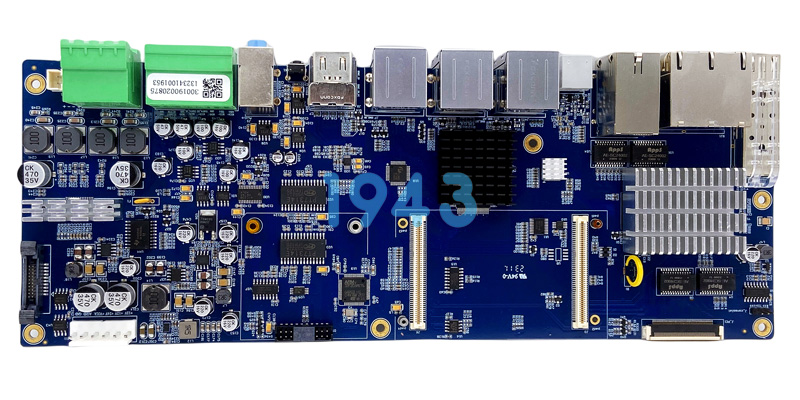
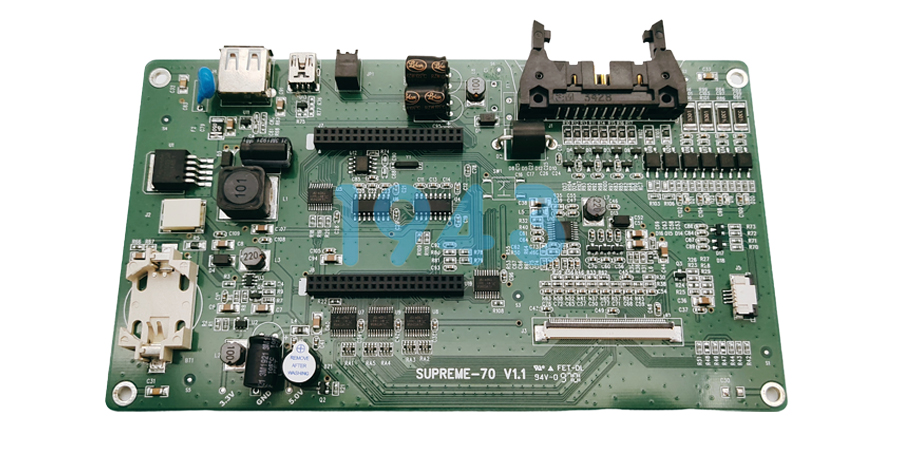
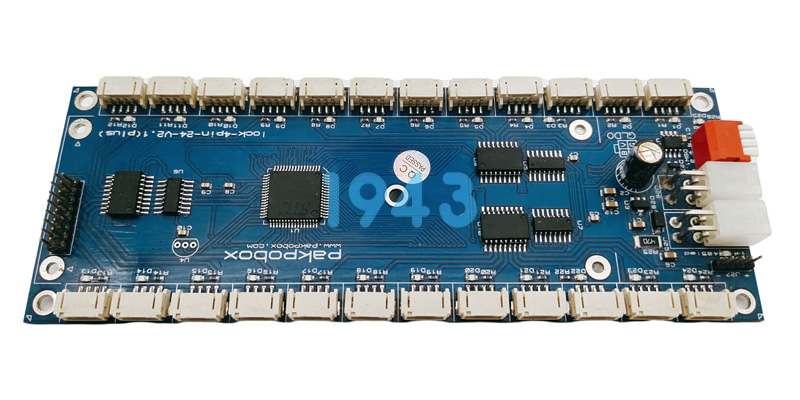
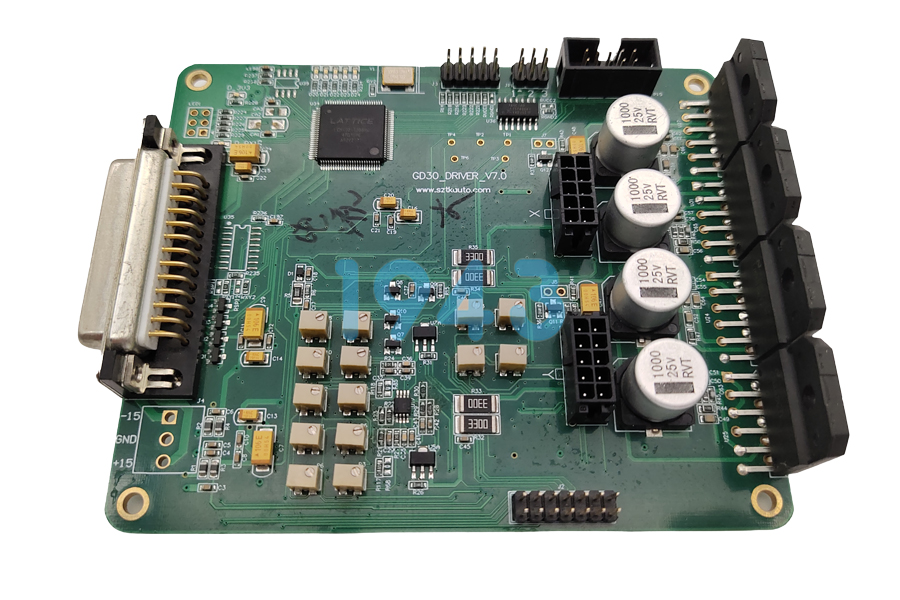
Each board may require only a small quantity. This is a high-mix, low-volume manufacturing environment. The manufacturing process must therefore handle multiple part numbers rather than simply producing one PCB repeatedly.
Managing Multiple PCB Part Numbers
Part-number control becomes important when several assemblies are produced in the same period. Each PCB should be clearly identified by:
- Part number
- Revision
- Assembly version
- BOM revision
- Manufacturing documentation
This information should remain consistent throughout the build. A clear identification system reduces the possibility of mixing boards with similar physical appearances.

BOM Accuracy for Small-Batch Production
The BOM should be treated as a controlled manufacturing document. Common BOM problems include:
- Incorrect manufacturer part numbers
- Missing reference designators
- Wrong quantities
- Outdated revisions
- Unapproved substitutions
- Package mismatches
Small-batch production can make these issues more visible because engineering teams are often working with rapidly changing designs. Before assembly begins, the BOM should be reviewed against the latest PCB data.
Component Sourcing for Low-Volume Builds
Low-volume production has different purchasing requirements from high-volume production. The required quantity may be small, but the component still needs to be authentic, technically appropriate, and available within the project schedule.
Component sourcing may therefore consider:
- Manufacturer
- Authorized supply channels
- Lead time
- Minimum order quantity
- Lifecycle
- Approved alternatives
For critical components, the engineering team should review proposed alternatives before assembly.
DFM Review Before Small-Batch Assembly
DFM review can identify manufacturing issues before the first small batch is assembled. Typical areas include:
- Component spacing
- Footprints
- PCB edge clearance
- Solder mask
- Silkscreen
- Component orientation
- Test access
- Stencil design
The goal is to identify conditions that could affect assembly quality or process repeatability.
SMT Assembly in Small Batches
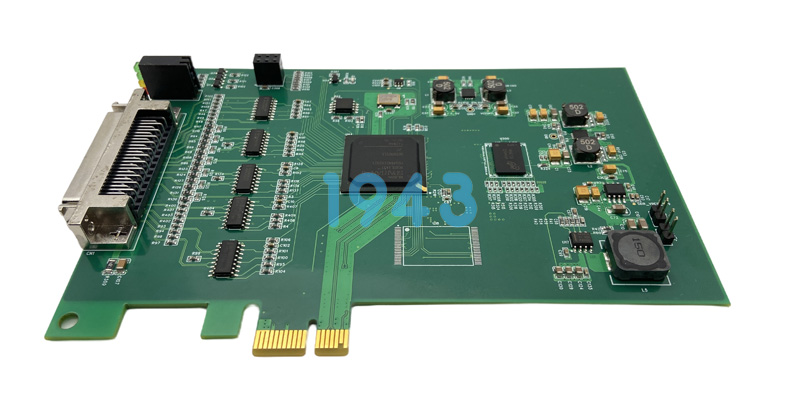
SMT assembly is commonly used for small-batch PCB production because automated equipment can provide consistent component placement. However, the economics and process requirements differ from long production runs. A small batch may require:
- Machine setup
- Feeder preparation
- Program verification
- Stencil preparation
- First-board inspection
- AOI programming
Because the production quantity is limited, setup and verification can represent a significant part of the manufacturing process.
First Board Verification
Before continuing with the full batch, the first assembled PCB can be reviewed. The verification may include:
- Component placement
- Polarity
- Solder quality
- Component orientation
- Assembly against the drawing
- AOI results
If a problem is found, it can be corrected before additional boards are assembled. This is one reason small-batch production is useful for NPI.
Reflow Process Control
Reflow soldering should be controlled according to the solder paste and component requirements. During NPI, the manufacturing team may establish an appropriate thermal profile and record the process parameters.
This provides a reference for subsequent production.
A stable reflow process is particularly important when the PCB contains components with different thermal characteristics.

Inspection for Small-Batch PCBA
Inspection requirements depend on the PCB design and customer requirements. Common methods include:
- SPI
- AOI
- X-ray
- Visual inspection
- Electrical testing
- Functional testing
For complex components such as BGAs, X-ray inspection may be appropriate because the solder joints cannot be directly viewed after assembly. Inspection should be based on actual process risks rather than applying the same inspection method to every PCB.
Functional Testing
A PCB assembly may pass visual inspection and still have an electrical or functional problem. Functional testing can verify whether the board operates as intended. The test may include:
- Power input
- Current consumption
- Communication
- Analog signals
- Digital signals
- Programming
- Interface operation
- System response
For small-batch NPI, test results can also provide feedback to the engineering team.
Handling Engineering Changes
Engineering changes are normal during NPI. A design may be revised after the first small batch. For example, an engineer may discover that:
- A connector interferes with a housing
- A test point is inaccessible
- A component footprint needs adjustment
- A resistor value needs to change
- A programming connector needs relocation
The next PCB revision should be clearly separated from the previous version. Manufacturing documentation should be updated at the same time.

Production Records
Production records provide useful information for future builds. Depending on project requirements, records may include:
- Build date
- PCB revision
- BOM revision
- Component information
- Inspection results
- Test results
- Rework
- Engineering deviations
This information can help engineers understand what happened during a specific production run.
When Should a Small-Batch Build Be Used?
Small-batch PCB assembly can be appropriate when:
- The product is still under development
- The design has recently been revised
- Demand is uncertain
- Multiple product variants exist
- A pilot build is required
- Manufacturing processes need validation
- Engineering testing requires physical units
The batch size should be based on the information required from the build rather than an arbitrary production target.
Small-Batch PCBA as a Bridge to Production
Small-batch manufacturing provides a controlled step between prototype development and larger production.
A common workflow is:
Engineering design → Prototype → DFM → Small-batch NPI → Process validation → Pilot production → Volume production
At each stage, the manufacturing process can become more defined.
By the time the product reaches volume production, many of the design and process uncertainties should already have been addressed.

Conclusion
Small-batch PCB assembly provides a practical manufacturing method for products that are still moving through engineering development or that naturally require low production quantities.
When multiple PCB designs and variants are involved, the process becomes high-mix low-volume manufacturing.
Successful small-batch PCBA requires more than component placement. BOM control, PCB revision management, DFM, assembly setup, inspection, testing, and engineering change control all contribute to the reliability of the manufacturing process.
For NPI projects, the value of a small-batch build is the information it provides. The production units allow engineering and manufacturing teams to identify problems, validate processes, and prepare the product for the next manufacturing stage.
Frequently Asked Questions
1. What quantity is considered small-batch PCB assembly?
There is no fixed industry-wide quantity. Small-batch production can range from a few units to several hundred units, depending on the product, NPI stage, testing requirements, and production objectives.
2. Is small-batch PCBA suitable for multiple PCB designs?
Yes. High-mix low-volume manufacturing is specifically suited to situations where multiple PCB assemblies are required in limited quantities. Each part number can have its own BOM, revision, inspection, and testing requirements.
3. Does small-batch PCB assembly include DFM?
DFM can be performed before small-batch assembly and is particularly useful for NPI projects. It can identify layout, footprint, spacing, test access, and assembly process issues before production.
4. What happens after a small-batch NPI build?
The results can be reviewed by engineering and manufacturing teams. Depending on the findings, the next step may be a PCB revision, additional NPI build, process validation, pilot production, or volume manufacturing.
Latest information
Let the products quickly and stably realize marketization and become the global electronic intelligence innovation enabler
 2026-09-18