
Managing Complex BOMs in PCBA Prototype Manufacturing
Introduction to BOM Complexity
In industrial electronics manufacturing, effective Bill of Materials (BOM) management is a decisive factor in a product's success. High-complexity BOMs present a significant operational challenge due to the extensive variety of component types, detailed specifications, and strict availability requirements.
Challenges of High-Complexity Component Management
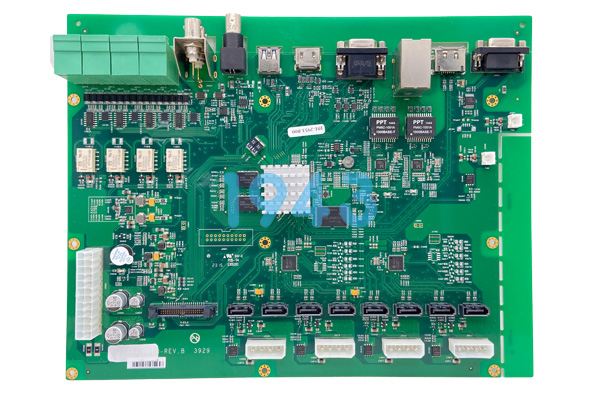
The transition from prototype to small-batch production amplifies BOM management difficulties. Industrial boards frequently integrate fine-pitch ICs, specialized high-power components, and various irregularly shaped devices. This heterogeneity demands sophisticated procurement strategies and precise material control systems.
- Sourcing Constraints: Specialized industrial components often have long lead times or limited supplier availability.
- Obsolescence Risks: Components may transition to "Not Recommended for New Design" (NRND) or "End of Life" (EOL) status during a product's development cycle.
- Specification Ambiguity: Vague manufacturer part numbers or incorrect descriptions in the BOM lead to the procurement of non-compatible parts, halting the assembly process.
The Role of NPI in BOM Control
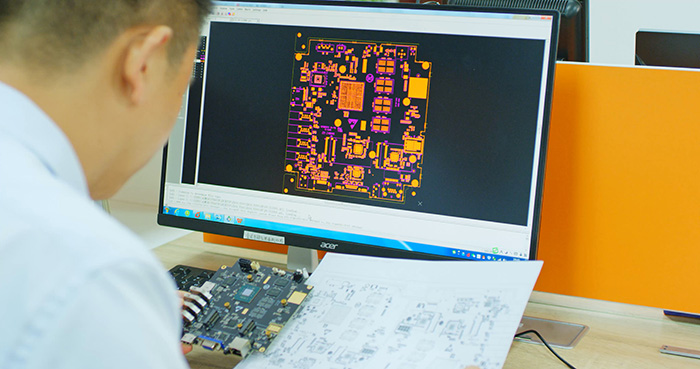
The NPI phase acts as a vital checkpoint for BOM validation, aligning the raw design intent with real-world supply chain realities. During this phase, engineering teams review the BOM list alongside the Gerber files to ensure complete material adaptability and quality reliability.
- Component Selection and Verification: The NPI team evaluates the BOM to confirm that each part matches its corresponding footprint on the PCB. The team also verifies the authenticity and operational compliance of all selected components.
- Procurement Optimization: Manufacturers utilize established, formal supply chain channels to purchase components, actively mitigating the risk of counterfeit or substandard materials entering the production line.
Supply Chain Verification and Material Traceability
For industrial and medical applications, full material traceability is not optional; it is a fundamental regulatory and operational requirement.
- Incoming Quality Control (IQC): All materials delivered to the facility undergo strict visual and functional inspection against the approved BOM.
- Inventory Management: Advanced manufacturers implement rigorous BOM matching and inventory control protocols. Every reel, tray, or tube is assigned a unique identifier linked to the specific production batch.
- Traceability Systems: A comprehensive material traceability system is established, documenting the origin, lot number, and processing history of every component used on the PCBA.

Managing Component Lifecycle Risks
An essential function of NPI BOM management is identifying lifecycle risks prior to committing to production.
- Cross-Referencing Databases: The manufacturer's procurement team cross-references the BOM against global component databases to identify parts with impending EOL notices.
- Form-Fit-Function Alternatives: If a critical part is obsolete, the NPI engineering team identifies equivalent components that match the exact footprint, electrical characteristics, and mechanical profile.
- Client Consultation: The team provides a compliant material list, presenting lifecycle data and alternative options to the client for final engineering approval, ensuring the product remains viable for future mass production.

Frequently Asked Questions (FAQ)
1. Why is BOM management particularly challenging for small-batch PCBA runs?
Small-batch runs often involve custom or specialized industrial components. Managing Minimum Order Quantities (MOQs) and long lead times for specialized parts requires expert procurement coordination, which differs greatly from sourcing common components in massive bulk.
2. What happens if an unverified BOM proceeds directly to production?
If the BOM contains incorrect specifications or mismatched components, automated SMT machines will attempt to place parts incorrectly. This results in severe yield drops, machine crashes, and the necessity to completely redesign and rebuild the board, delaying production by weeks.
3. How do PCBA manufacturers ensure component authenticity?
Professional NPI services enforce strict material traceability systems. They procure exclusively through verified distribution channels and conduct incoming component inspections, ensuring every material is traceable to its original manufacturer.
4. Does the NPI process assist clients in finding alternative components?
Yes. During the NPI phase, engineers perform rigorous component selection and verification. If a specified component poses supply risks or is obsolete, the team provides a reviewed, compliant material list with suitable alternatives to guarantee uninterrupted production.
Latest information
Let the products quickly and stably realize marketization and become the global electronic intelligence innovation enabler
 2026-09-18