
Turnkey PCBA Manufacturing for Small-Batch Product Development
Component Sourcing, Assembly, and Testing for R&D Teams
Product development teams often face significant challenges when moving from circuit design to physical PCBA production. Managing component sourcing, PCB fabrication, assembly, and testing across multiple suppliers can slow down development and increase coordination costs. Turnkey PCBA manufacturing addresses this challenge by providing a single manufacturing partner for the entire assembly process.
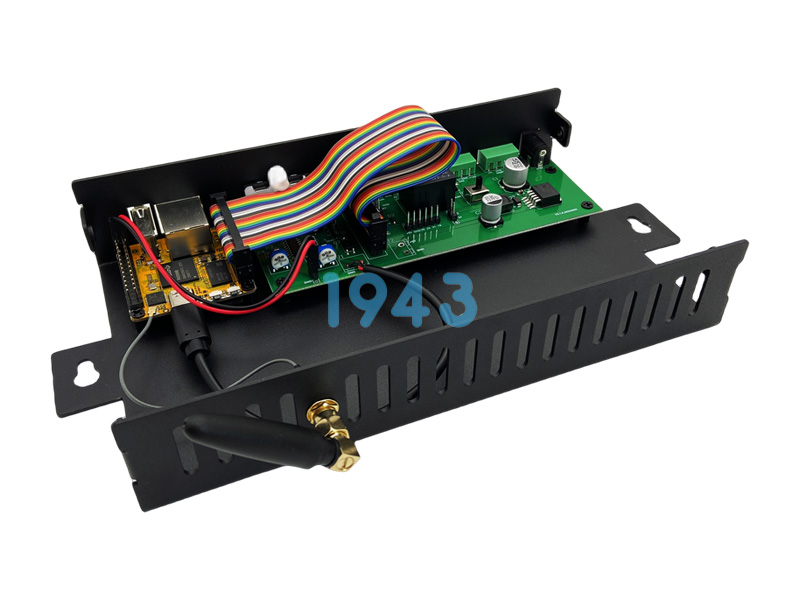
Shenzhen 1943 Technology Co., Ltd. provides turnkey PCBA manufacturing services focused on small-batch, high-mix product development. Our services support engineering teams that need reliable manufacturing support during the research, development, and pre-production stages. This includes prototype builds, engineering validation batches, pilot runs, and low-volume production.
Understanding Turnkey PCBA Manufacturing
Turnkey PCBA manufacturing means that the manufacturer handles component procurement, PCB preparation, assembly, and testing based on the customer’s design data. The customer provides the bill of materials, Gerber files, pick-and-place data, and any special assembly instructions. The manufacturer then manages the supply chain and production process to deliver assembled boards.
For product development teams, turnkey services reduce the administrative workload associated with purchasing components from multiple distributors. This is particularly important when developing specialized electronics, where some components may have long lead times, limited availability, or strict quality requirements.
Component Sourcing in Small-Batch PCBA
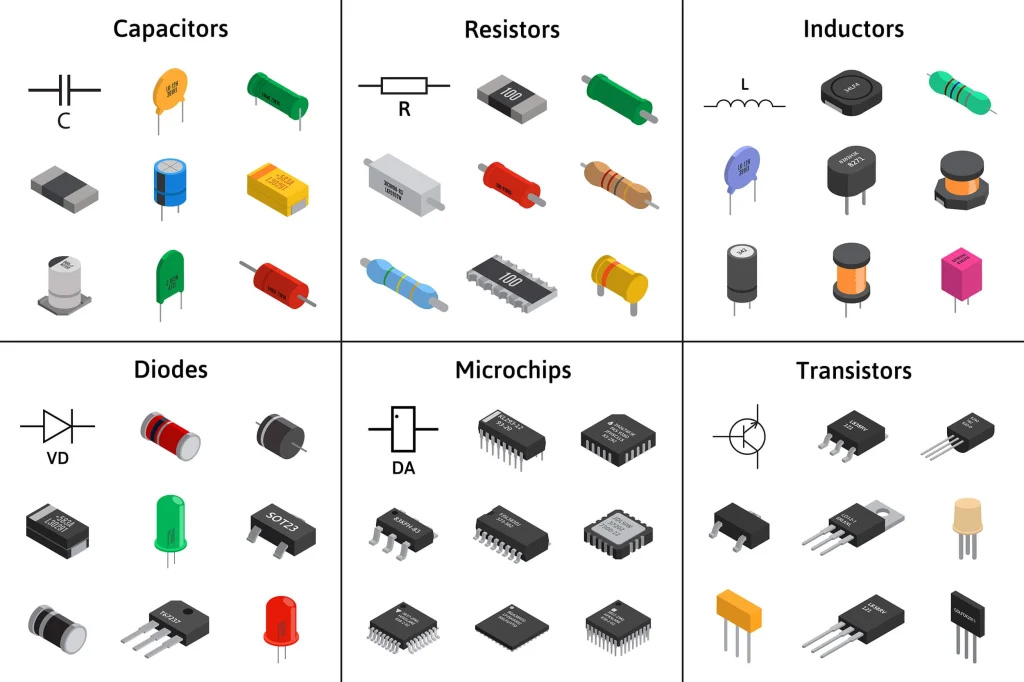
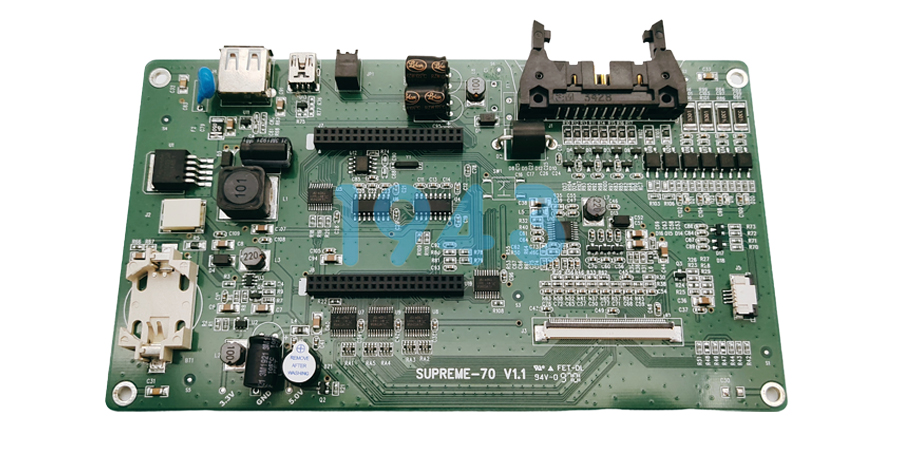
Component sourcing is one of the most complex aspects of small-batch PCBA manufacturing. Unlike high-volume production, where large quantities of standard components can be purchased through established supply chains, small-batch projects often require smaller quantities of specialized components. Some components may only be available through limited distributors, and others may require careful verification to ensure authenticity and quality.
Our component sourcing process begins with a detailed review of the customer’s bill of materials. We check part numbers, specifications, package types, and availability. When potential issues are identified, such as obsolete components, long lead times, or footprint mismatches, we communicate with the customer before proceeding. This helps prevent assembly delays and ensures that component selections align with the product’s technical requirements.
For product teams developing industrial electronics, communication hardware, medical instrumentation, or energy-related devices, component traceability and reliability are especially important. We prioritize verified supply channels and maintain documentation to support future quality reviews.
PCB Fabrication Coordination
PCB fabrication is a critical foundation for reliable PCBA assembly. Board quality affects soldering performance, electrical reliability, and long-term product durability. During turnkey manufacturing, we coordinate PCB fabrication based on the customer’s design requirements, including layer count, copper weight, surface finish, impedance control, and special process needs.
For small-batch projects, PCB fabrication must balance quality, lead time, and cost. Some designs require standard processes, while others need advanced features such as blind or buried vias, heavy copper, rigid-flex structures, or controlled impedance. Our role is to ensure that the selected PCB specifications support reliable assembly and meet the product’s functional requirements.
We also review PCB design data for potential manufacturing issues. This includes checking pad sizes, solder mask openings, via placement, and board outline requirements. Early identification of these issues helps reduce the risk of assembly defects.
PCBA Assembly for High-Mix Projects
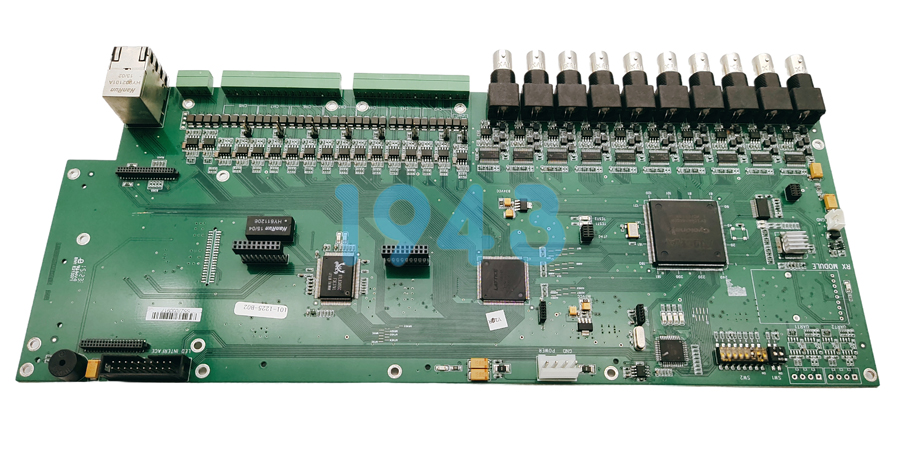
High-mix PCBA assembly involves producing different types of boards in relatively small quantities. Each product may have different component types, board sizes, soldering requirements, and testing needs. This requires a manufacturing environment that can adapt quickly without sacrificing quality.
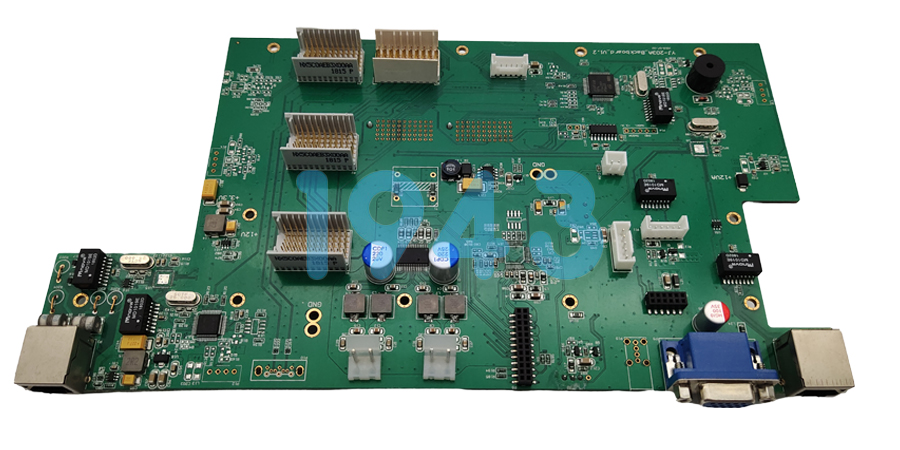
Our assembly process supports both surface-mount technology and through-hole assembly. Mixed technology boards are common in specialized electronics, where connectors, transformers, relays, or large capacitors may need to be assembled alongside fine-pitch surface-mount components. We plan the assembly process based on the specific requirements of each project.
Solder paste printing, component placement, reflow soldering, wave soldering, and manual assembly are selected according to board complexity and component types. For small batches, process planning is especially important because each board may require individual attention to ensure consistent quality.
Testing and Verification Services
Testing is an essential part of turnkey PCBA manufacturing. The type of testing required depends on the product’s application, complexity, and development stage. Common testing methods include visual inspection, in-circuit testing, functional testing, boundary scan testing, and burn-in testing.
During the NPI and small-batch phase, testing serves two purposes. First, it verifies that assembled boards meet design specifications. Second, it provides feedback to engineering teams about potential design or manufacturing issues. Test results help identify problems such as incorrect component placement, soldering defects, power supply issues, signal integrity problems, or firmware-related failures.
We work with customers to define appropriate testing methods based on product requirements. For some projects, basic visual inspection and power-on testing may be sufficient. For others, detailed functional testing or environmental testing may be required before delivery.
Supporting Product Teams Before Mass Production
Turnkey PCBA manufacturing is particularly valuable before mass production begins. During this stage, product teams need to validate their designs, confirm component availability, test manufacturing processes, and prepare documentation for future scaling. Small-batch turnkey services allow teams to complete these tasks without committing to large production volumes.
This approach reduces financial risk and technical uncertainty. If design changes are needed, they can be implemented before large quantities of components are purchased. If supply chain issues are discovered, alternative components can be evaluated early. If assembly problems occur, they can be resolved while batch sizes are still manageable.
Applications Across Specialized Electronics
Our turnkey PCBA services support a wide range of specialized electronics applications. These include industrial automation modules, power conversion equipment, communication infrastructure hardware, medical instrumentation, energy monitoring systems, test and measurement devices, and custom embedded controllers.
These applications often require high reliability, precise assembly, and careful documentation. They may also involve regulatory or certification requirements that must be considered during the development phase. By providing turnkey manufacturing support early, we help product teams build a stronger foundation for compliance and long-term production stability.

Documentation and Traceability
Documentation is an important part of turnkey PCBA manufacturing. For product development teams, maintaining accurate records helps support future production, quality audits, and design improvements. We maintain assembly records, component sourcing information, inspection results, and process notes for each project.
This documentation becomes especially valuable when a product moves from small-batch development to larger production runs. It provides a reference for component selections, assembly processes, and quality expectations. It also helps new team members understand the manufacturing history of the product.
Flexible Support for Evolving Projects
Product development is rarely a linear process. Designs change, components become unavailable, test results lead to revisions, and customer requirements evolve. Turnkey PCBA manufacturing for small-batch projects must be flexible enough to accommodate these changes.
We support multiple board revisions, partial batch deliveries, updated bills of materials, and changing testing requirements. Our goal is to provide consistent manufacturing support throughout the development cycle, rather than treating each order as a completely separate transaction.
This flexibility allows engineering teams to focus on product development while relying on a manufacturing partner that understands the challenges of low-volume, high-mix production.

FAQ
What information is needed to start a turnkey PCBA project?
To start a turnkey PCBA project, customers typically provide Gerber files, a bill of materials, pick-and-place coordinates, assembly drawings, and any special assembly or testing instructions.
Can turnkey services support boards with mixed SMT and through-hole components?
Yes. We support mixed technology assemblies that include surface-mount components, through-hole components, connectors, and other specialized parts based on product requirements.
How does turnkey manufacturing help reduce development risk?
Turnkey manufacturing reduces development risk by consolidating component sourcing, PCB fabrication, assembly, and testing under one partner. This improves coordination, reduces supply chain complexity, and allows issues to be identified earlier.
Is turnkey PCBA service suitable for pre-production validation?
Yes. Turnkey PCBA services are well suited for engineering validation, pilot runs, certification preparation, and other pre-production activities where reliable assembled boards are needed in small quantities.
Latest information
Let the products quickly and stably realize marketization and become the global electronic intelligence innovation enabler
 2026-11-10