
PCBA NPI Services for Industrial Electronics Development
Manufacturing Support for Industrial Control and Automation Hardware
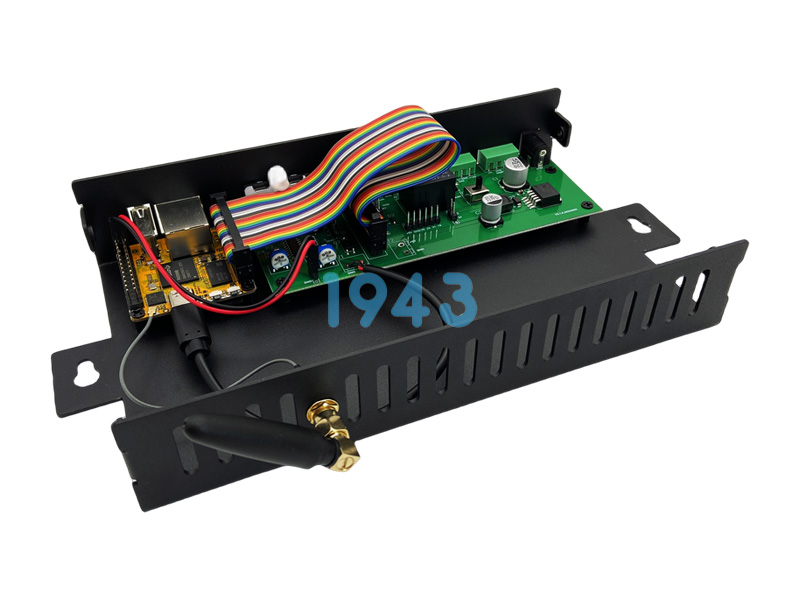
Industrial electronics development involves unique manufacturing challenges that differ from many other electronics segments. Industrial control boards, automation modules, power management systems, and instrumentation hardware often require high reliability, long-term component availability, and careful attention to environmental operating conditions. During the new product introduction phase, these products need manufacturing support that can address both technical complexity and production readiness.
Shenzhen 1943 Technology Co., Ltd. provides PCBA NPI services for industrial electronics development teams. Our services focus on small-batch, high-mix assembly for products transitioning from prototype to manufacturing validation. We support engineering teams that need reliable PCBA production before committing to full-scale manufacturing.
Manufacturing Challenges in Industrial Electronics
Industrial electronic products are often deployed in demanding environments. They may be exposed to temperature variations, vibration, electrical noise, continuous operation requirements, and extended service life expectations. These conditions place higher demands on PCB design, component selection, soldering quality, and assembly consistency.
During the NPI phase, manufacturing issues that may seem minor in prototype form can become significant problems in field deployment. For example, insufficient solder fillets on through-hole connectors may lead to mechanical failure under vibration. Thermal pad design issues may cause overheating in power components. Component selection decisions may affect long-term availability and maintenance. Addressing these issues early through NPI services helps reduce field failures and product recalls.
Design for Manufacturing in Industrial PCBA
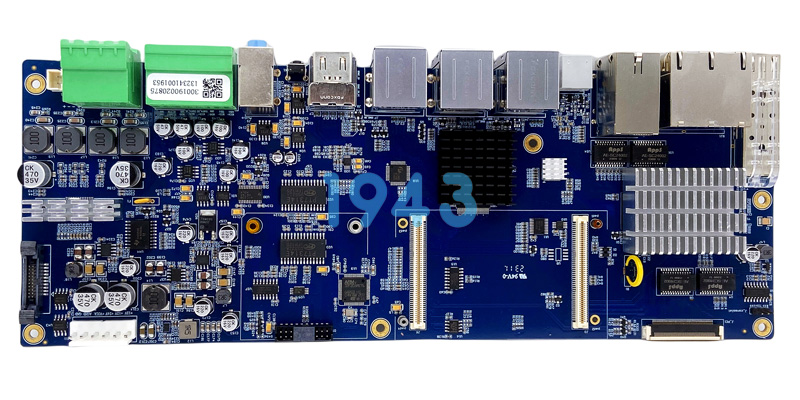
Design for Manufacturing is particularly important for industrial PCBA because these boards often combine multiple technologies on a single assembly. Industrial boards may include high-density surface-mount components for signal processing, large through-hole connectors for field wiring, power components requiring thermal management, shielding cans for electromagnetic compatibility, and conformal coating requirements for environmental protection.
Our DFM review process examines these aspects before assembly begins. We check pad designs for thermal balance, verify component spacing for assembly equipment access, review solder mask and silkscreen clarity, and identify potential issues with mixed technology assembly. This feedback helps engineering teams improve manufacturability without compromising electrical performance.
For industrial products, DFM is not only about reducing assembly defects. It also supports long-term reliability by ensuring that solder joints, component placement, and board construction meet the mechanical and environmental demands of industrial applications.
Component Sourcing for Industrial Applications
Component sourcing for industrial electronics requires attention to several factors beyond immediate availability. Industrial products often have longer life cycles than many other electronics categories. A component that is available today may become obsolete within a few years, creating maintenance and production challenges for products expected to operate for ten years or more.
During NPI, we review bill of materials data to identify components with potential supply chain risks. This includes checking for components approaching end-of-life status, single-source dependencies, long lead times, and packaging compatibility with assembly processes. When risks are identified, we communicate with customers about alternative components, footprint compatibility, and supply chain planning.
For industrial control and automation products, component traceability is also important. Verified supply channels and proper documentation help support future quality audits and field service requirements.

Mixed Technology Assembly for Industrial Boards
Industrial PCBA often requires mixed technology assembly. Surface-mount components provide high-density circuitry for processors, memory, communication interfaces, and signal conditioning. Through-hole components are still widely used for connectors, terminal blocks, transformers, relays, and high-power devices that require mechanical strength or high current handling.
Mixed technology assembly requires careful process planning. Surface-mount components are typically assembled first using solder paste printing, pick-and-place placement, and reflow soldering. Through-hole components may be assembled using wave soldering, selective soldering, or manual soldering depending on board complexity and component types.
Our assembly process is structured to handle these requirements for small-batch industrial projects. We plan the assembly sequence based on board design, component types, and quality requirements. This ensures that each process step supports overall assembly quality rather than creating new risks for subsequent steps.
Testing and Validation for Industrial PCBA
Testing during the NPI phase helps verify that industrial PCBA meets design specifications and manufacturing requirements. The testing approach depends on product complexity, application environment, and customer requirements.
Common testing methods include visual inspection for soldering quality, in-circuit testing for component value verification and connectivity, functional testing for system-level performance, power-on testing for basic operation, and environmental testing support when required. For industrial products, testing may also include verification of communication interfaces, power supply stability, input/output signal accuracy, and protection circuit functionality.
We work with customers to define appropriate testing methods based on product requirements. Test results provide valuable feedback for design improvement and manufacturing process optimization.
Supporting Certification and Compliance Preparation
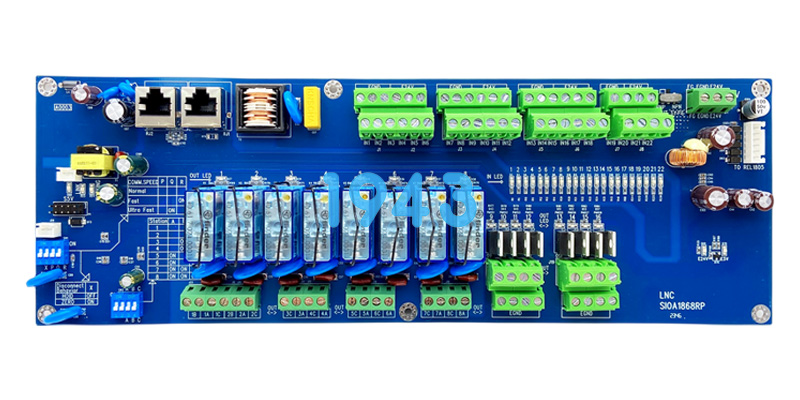
Industrial electronics products often need to meet regulatory and industry standards before market release. These may include safety standards, electromagnetic compatibility requirements, environmental compliance, and industry-specific certifications. While certification testing is typically conducted by specialized laboratories, the quality of PCBA assembly can affect certification outcomes.
During NPI, consistent assembly quality helps ensure that test samples accurately represent the product design. Poor soldering, component misplacement, or inconsistent assembly can cause test failures that are unrelated to the actual design. By providing reliable small-batch assembly during the development phase, we help engineering teams prepare more representative samples for certification testing.
Documentation for Industrial Product Development
Documentation is essential for industrial electronics development. Product teams need accurate records of component selections, assembly processes, test results, and design revisions. This documentation supports future production scaling, field service, quality audits, and product maintenance.
Our NPI services include maintaining assembly records, component sourcing information, inspection results, and process notes for each project. This documentation provides a reference for engineering teams as the product matures and moves toward production.
Long-Term Manufacturing Partnership
Industrial electronics development often involves long product life cycles and extended manufacturing relationships. The NPI phase establishes the foundation for this long-term partnership. By working together during small-batch development, both the customer and manufacturer gain a deeper understanding of product requirements, manufacturing processes, and quality expectations.
This foundation supports smoother transitions to larger production volumes and more predictable long-term manufacturing performance. It also helps engineering teams plan for component lifecycle management, design revisions, and future product improvements.

FAQ
Why is DFM important for industrial PCBA development?
DFM helps identify manufacturing risks early, such as thermal imbalance, insufficient component spacing, and mixed technology assembly challenges. Addressing these issues during NPI reduces assembly defects and supports long-term reliability.
How does NPI support industrial product certification?
NPI provides consistent, reliable assembled boards that accurately represent the product design. This helps ensure that certification test samples reflect actual manufacturing quality rather than assembly inconsistencies.
Can NPI services support long-term component availability planning?
Yes. During NPI, we review bill of materials data to identify components with potential supply chain risks, including end-of-life status and single-source dependencies, and communicate alternatives to customers.
What testing methods are available for industrial PCBA?
Testing methods include visual inspection, in-circuit testing, functional testing, power-on testing, and custom testing based on product requirements. The appropriate method depends on product complexity and application needs.
Latest information
Let the products quickly and stably realize marketization and become the global electronic intelligence innovation enabler
 2026-11-10