Internet of things

Industrial IoT PCB Assembly | PCBA Manufacturing One-Stop NPI Service

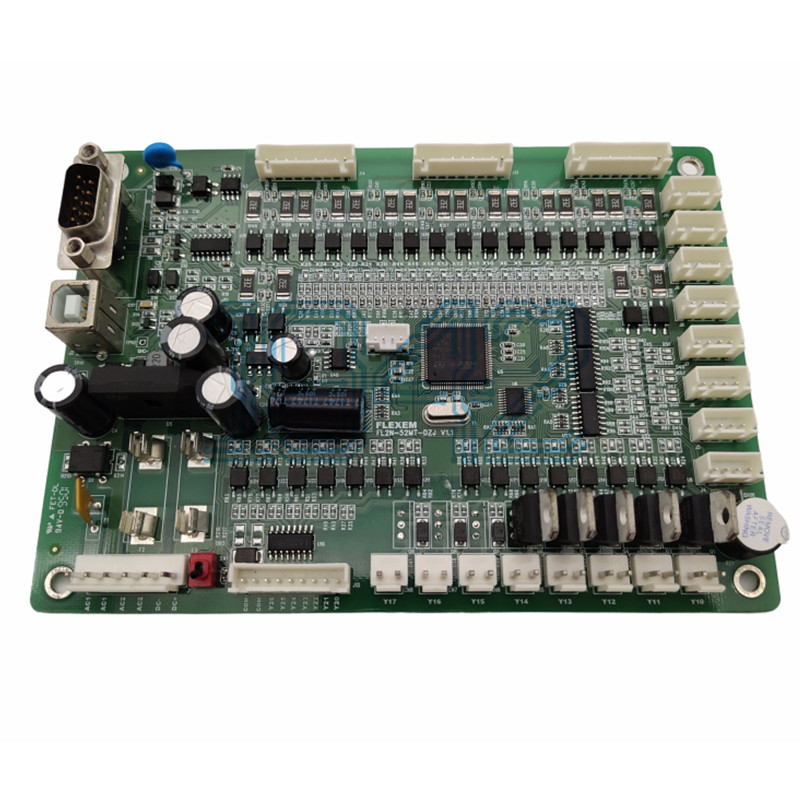
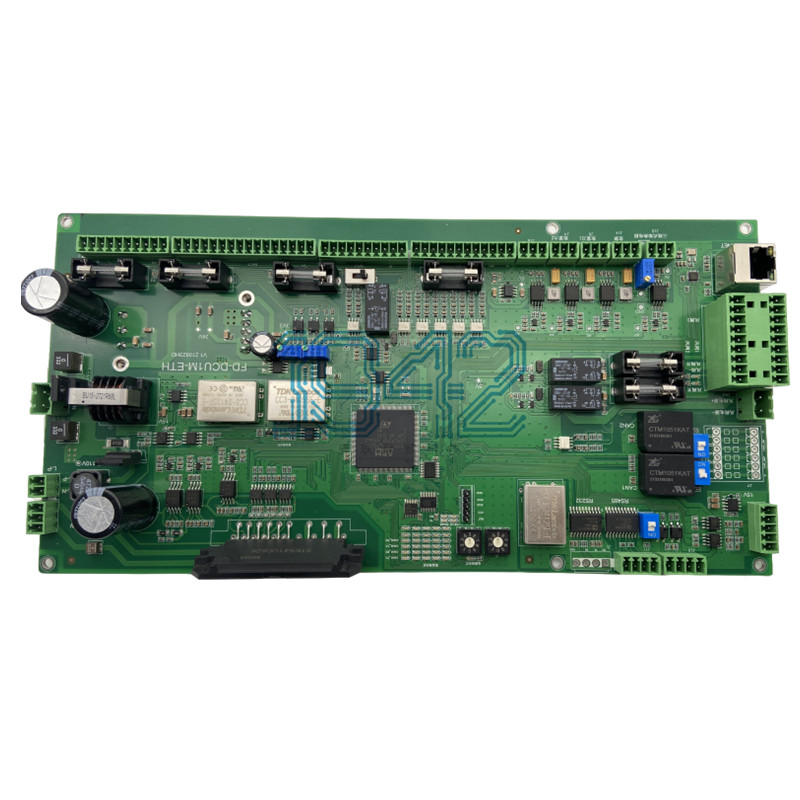
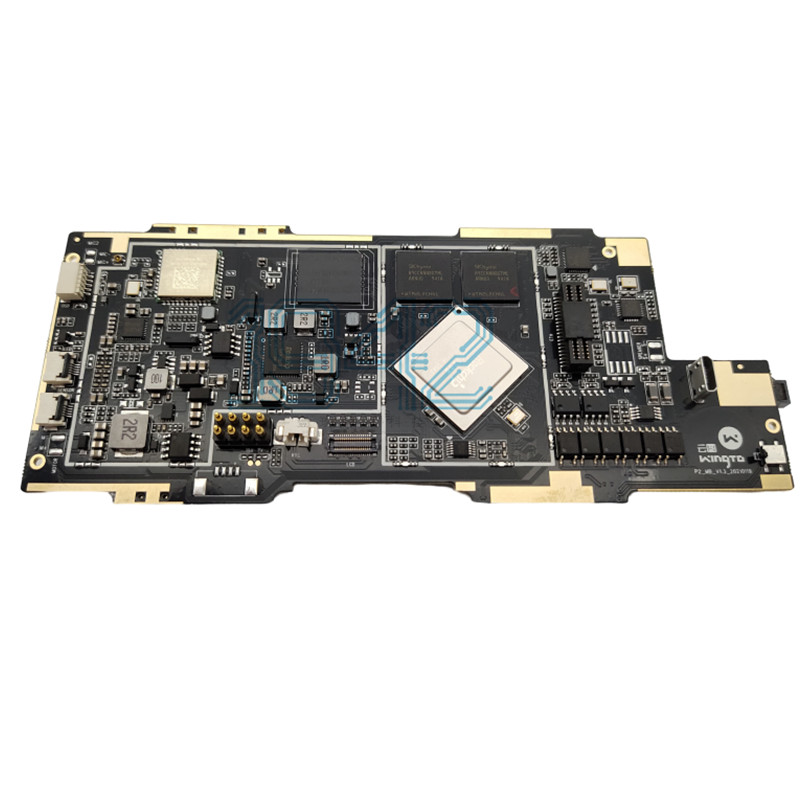
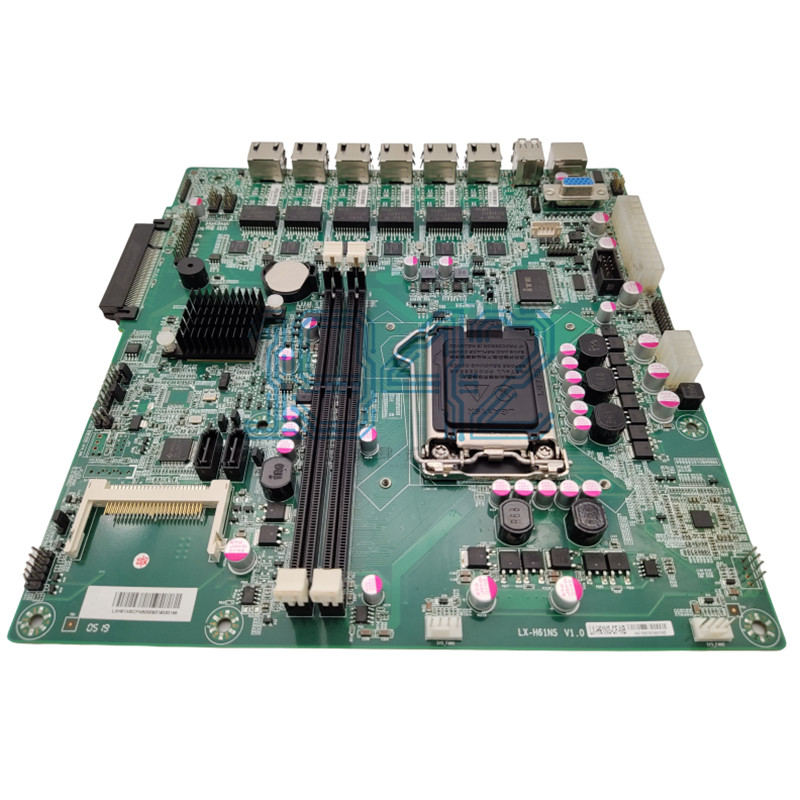
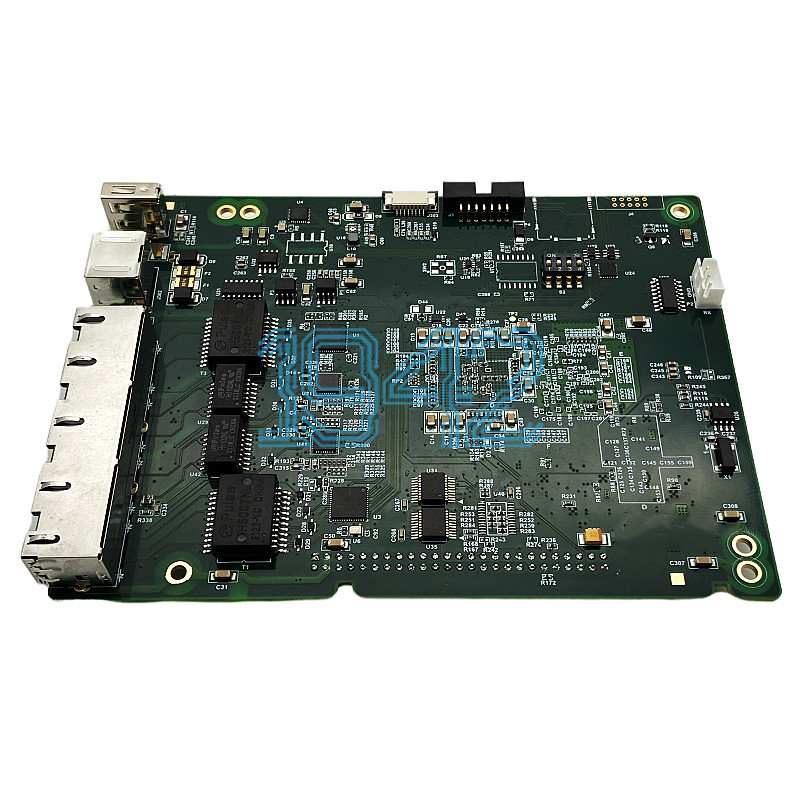
Shenzhen 1943 Technology Co., Ltd. offers one-stop NPI services for IIoT PCBA manufacturing—from process validation and material selection to reliability testing and volume production—delivering integrated solutions for reliable transmission.

Point:245

Components type:76

PCB size: 181*147mm

Minimum package size of resistance capacitance sensing: 0603

Minimum device pin spacing:0.65

Welding mode:Reflow soldering for double side+ Wave soldering.

Manufacturing process: SMD processing + cleaning + anti-static packaging

Industrial IoT PCB Assembly | PCBA Manufacturing One-Stop NPI Service

Industrial IoT products operate in demanding environments where long-term stability, consistent manufacturing quality, and reliable supply chains are essential. From intelligent sensors and gateways to industrial controllers, communication modules, automation equipment, and monitoring systems, every stage of PCB assembly directly influences product performance throughout its lifecycle.

1943 Technology provides PCBA manufacturing one-stop NPI service that bridges product development and volume production. New Product Introduction (NPI) is a critical stage for transforming engineering designs into stable manufacturing processes. Instead of focusing only on prototype assembly, the NPI process establishes manufacturing standards that can be repeated and controlled during mass production, reducing risks before product launch.

PCBA Manufacturing One-Stop NPI Service

Our NPI process covers the complete manufacturing workflow, including PCB fabrication, component sourcing, SMT assembly, DIP assembly, functional testing, product assembly, packaging, and protective processing. Every production stage is reviewed and verified to ensure that manufacturing methods are practical, repeatable, and suitable for future volume production.

During the NPI stage, manufacturing engineers evaluate PCB design, component layout, assembly processes, soldering quality, test procedures, fixture requirements, packaging methods, and production documentation. Process optimization at an early stage helps reduce manufacturing issues and improves production efficiency as the project moves toward larger quantities.

Process Verification Before Mass Production

The primary objective of NPI is to verify whether every manufacturing process can achieve stable and consistent production quality.

Process validation includes:

  • PCB manufacturing capability evaluation
  • SMT process verification
  • Through-hole and DIP assembly validation
  • Functional and in-circuit testing preparation
  • Mechanical assembly verification
  • Packaging and product protection assessment
  • Manufacturing documentation review

Each manufacturing step is assessed to identify potential process risks before volume production begins, helping establish standardized production procedures for future manufacturing.

Material Selection and Supply Chain Assessment

Reliable products require reliable components. During NPI, material selection is evaluated not only for technical compatibility but also for long-term availability and supply stability.

1943 Technology works with qualified electronic component suppliers to support component verification, alternative component evaluation, and supply chain planning. This approach helps minimize production interruptions caused by component shortages while maintaining product consistency throughout the manufacturing lifecycle.

Material verification also includes PCB materials, electronic components, connectors, mechanical parts, and packaging materials to ensure compatibility with both product requirements and manufacturing processes.

PCBA One-Stop NPI Services

Product Reliability Validation

Industrial IoT applications often require continuous operation under vibration, temperature variation, humidity, and other challenging environments. Product reliability therefore becomes an important part of the NPI process.

Manufacturing verification focuses on solder joint quality, assembly consistency, process stability, electrical performance, and functional reliability. Test plans are developed according to product requirements to verify that assembled boards perform consistently before entering mass production.

Early reliability validation reduces engineering changes after production release and provides greater confidence in long-term product performance.

Supporting Predictable Project Schedules

A successful NPI process also helps determine whether the overall project timeline can meet market expectations.

By coordinating engineering review, manufacturing preparation, material readiness, testing, quality control, and production planning, potential delays can be identified earlier in the development cycle. Standardized manufacturing processes established during NPI enable smoother transition from prototype builds to pilot production and full-scale manufacturing.

Applications

Industrial IoT PCBA solutions are widely used in:

  • Industrial automation equipment
  • Smart factory systems
  • Industrial gateways
  • PLC controllers
  • Remote monitoring devices
  • Smart sensors
  • Energy management systems
  • Industrial communication equipment
  • Environmental monitoring devices
  • Edge computing hardware

1943 Technology supports customers throughout the entire product development cycle by combining PCB manufacturing, component sourcing, PCB assembly, testing, box build assembly, and PCBA manufacturing one-stop NPI service, helping establish manufacturing standards that support stable, efficient, and scalable production.