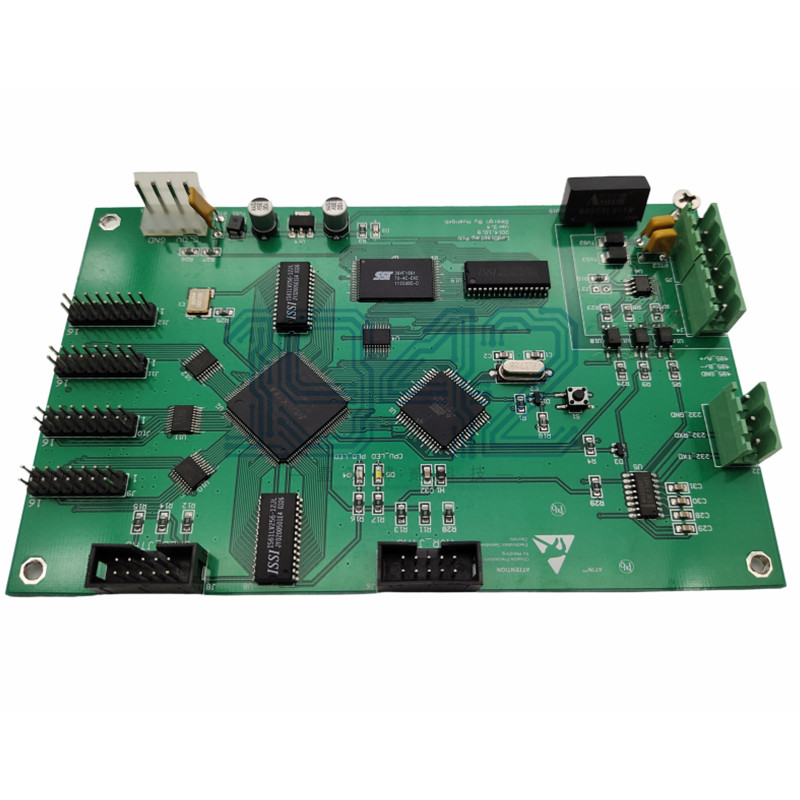
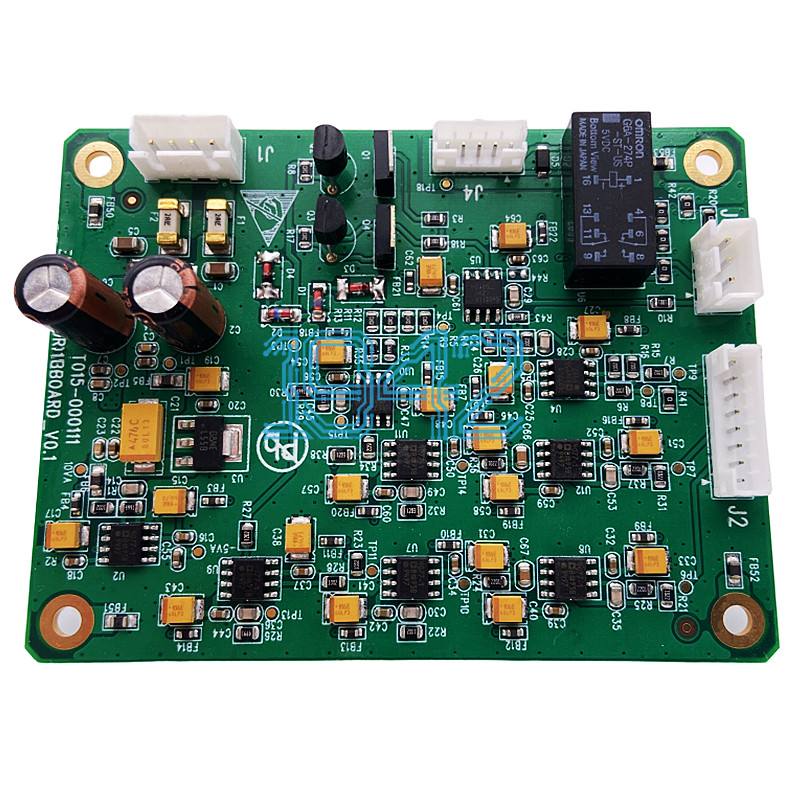
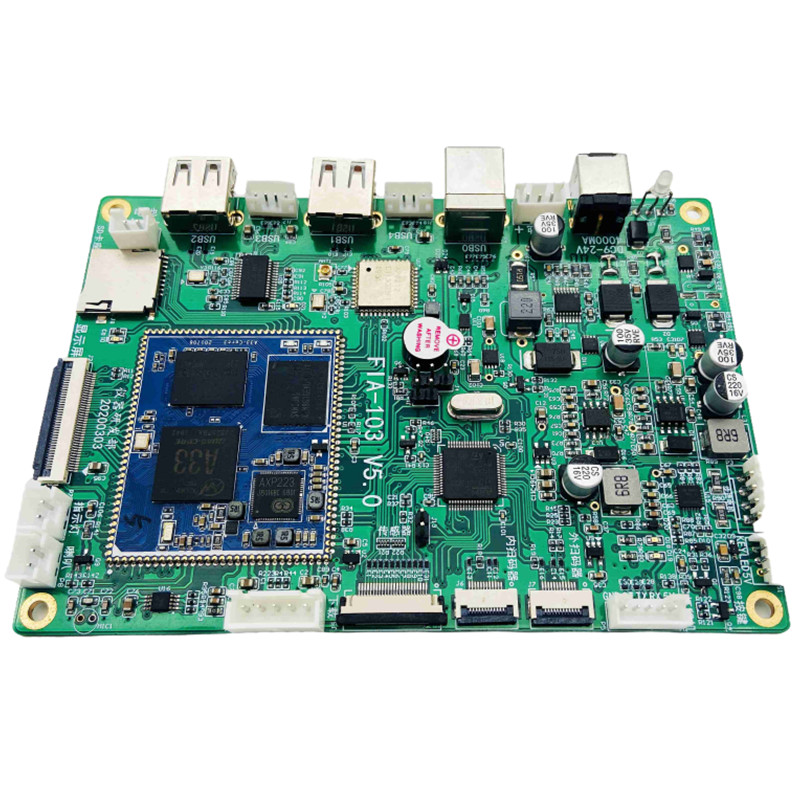
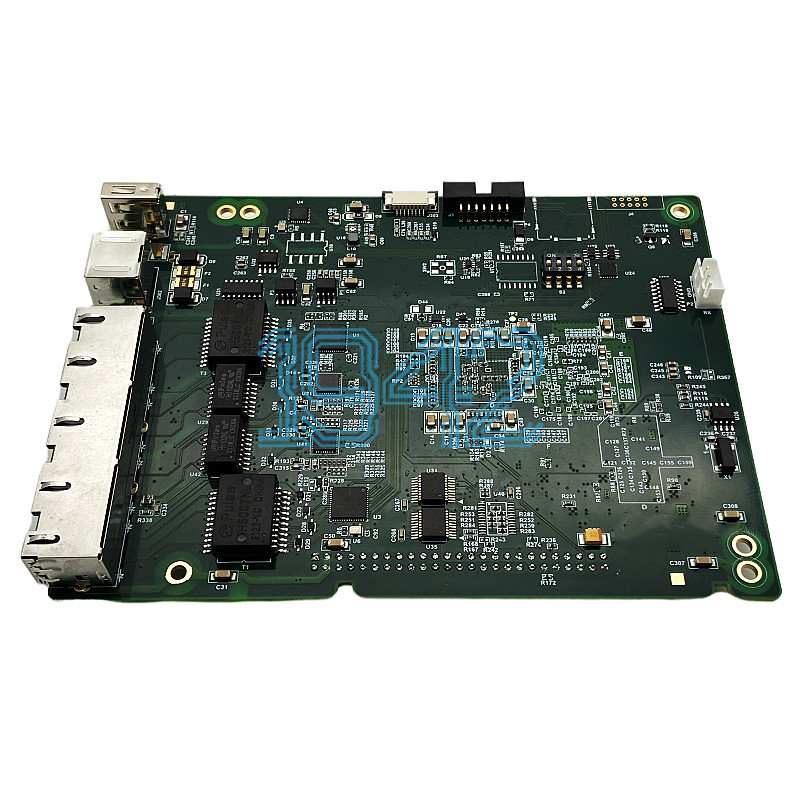
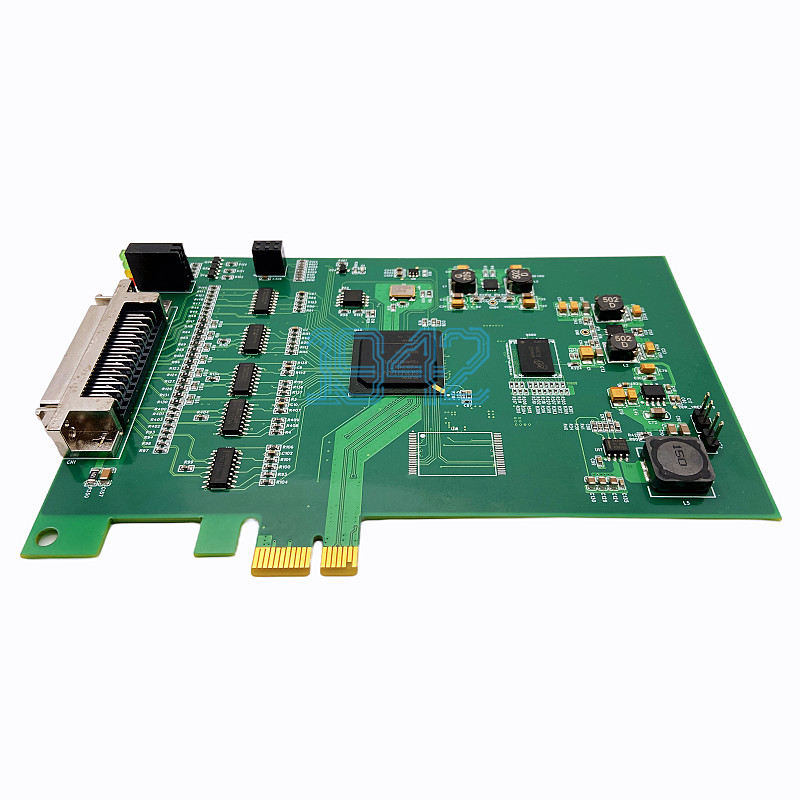
Point:142
Components type:54
PCB size: 175*132mm
Minimum package size of resistance capacitance sensing: 0603
Minimum device pin spacing:0.65
Welding mode:Reflow soldering for double side + Wave soldering.
Manufacturing process: PCB producing + components procurement + assembly
Smart transportation systems rely on stable electronic hardware to support intelligent traffic control, vehicle communication, public transportation management, parking systems, toll collection, and road safety applications. The quality of the printed circuit board assembly directly affects system stability, communication accuracy, and long-term operational reliability. A complete PCBA manufacturing process requires not only precision assembly but also early-stage process validation that reduces production risks before mass manufacturing.
Shenzhen 1943 Technology Co., LTD. provides PCBA manufacturing and one-stop NPI services for smart transportation products, supporting projects from prototype verification through pilot production and volume manufacturing. Our manufacturing capabilities cover PCB fabrication, electronic component sourcing, SMT assembly, DIP assembly, functional testing, product assembly, conformal coating, packaging, and final inspection. Every production stage follows standardized manufacturing procedures to ensure consistent product quality throughout the project lifecycle.
New Product Introduction (NPI) is a critical stage between product development and mass production. It establishes manufacturing standards before volume production begins, helping engineering teams identify potential risks while reducing delays and unexpected costs during later production stages.
Our one-stop NPI service focuses on building a reliable manufacturing foundation through complete process verification. Instead of moving directly from prototype to large-scale production, every manufacturing step is evaluated to ensure that the product can be produced consistently and efficiently.
During the NPI process, we verify the complete production flow, including PCB manufacturing, SMT placement, DIP assembly, testing procedures, mechanical assembly, packaging, protective treatments, and shipping preparation. Process validation allows potential manufacturing issues to be discovered and resolved before production volume increases.
Process verification is one of the most important objectives of NPI services. A product that performs well in laboratory testing may still face challenges during manufacturing if assembly processes are not fully optimized.
Our engineering team evaluates each manufacturing step, including solderability, component placement accuracy, thermal profiles, assembly sequence, fixture design, inspection methods, and testing procedures. These validations help establish stable manufacturing standards and improve production consistency for future volume orders.
By verifying the complete production workflow before mass production, manufacturers can reduce process variation, improve first-pass yield, and shorten production ramp-up time.
Component availability and material stability have a significant impact on production continuity. During the NPI stage, material selection is reviewed not only for electrical performance but also for long-term supply availability and manufacturing compatibility.
Our sourcing and engineering teams verify electronic components, PCB materials, connectors, and mechanical parts through qualified suppliers. Alternative components can also be evaluated to reduce supply chain risks while maintaining product performance.
Supply chain verification during NPI helps minimize production interruptions, improve purchasing efficiency, and support stable manufacturing throughout the product lifecycle.
Smart transportation equipment is often installed in demanding operating environments that require long service life and dependable performance. Product reliability therefore becomes an essential part of the NPI process.
Reliability assessment includes manufacturing quality verification, inspection planning, functional testing, electrical validation, and production consistency analysis. Additional protective processes such as conformal coating and environmental protection can be incorporated according to project requirements.
Early reliability evaluation helps improve product stability before large-scale manufacturing and supports consistent field performance after deployment.
Successful product introduction depends on more than manufacturing quality. Project schedules must also align with development milestones and market launch plans.
Our NPI management process coordinates engineering review, material preparation, prototype production, pilot runs, process optimization, and production planning. Standardized workflows improve communication between engineering, procurement, manufacturing, and quality teams, allowing projects to transition more efficiently from design verification to volume production.
This structured approach helps reduce production risks while supporting predictable delivery schedules.

Shenzhen 1943 Technology Co., LTD. provides comprehensive manufacturing services for smart transportation electronics, including:
By integrating NPI services with complete PCBA manufacturing, standardized production processes are established before mass production begins, helping improve manufacturing consistency, product reliability, supply chain stability, and project execution efficiency.
Let the products quickly and stably realize marketization and become the global electronic intelligence innovation enabler