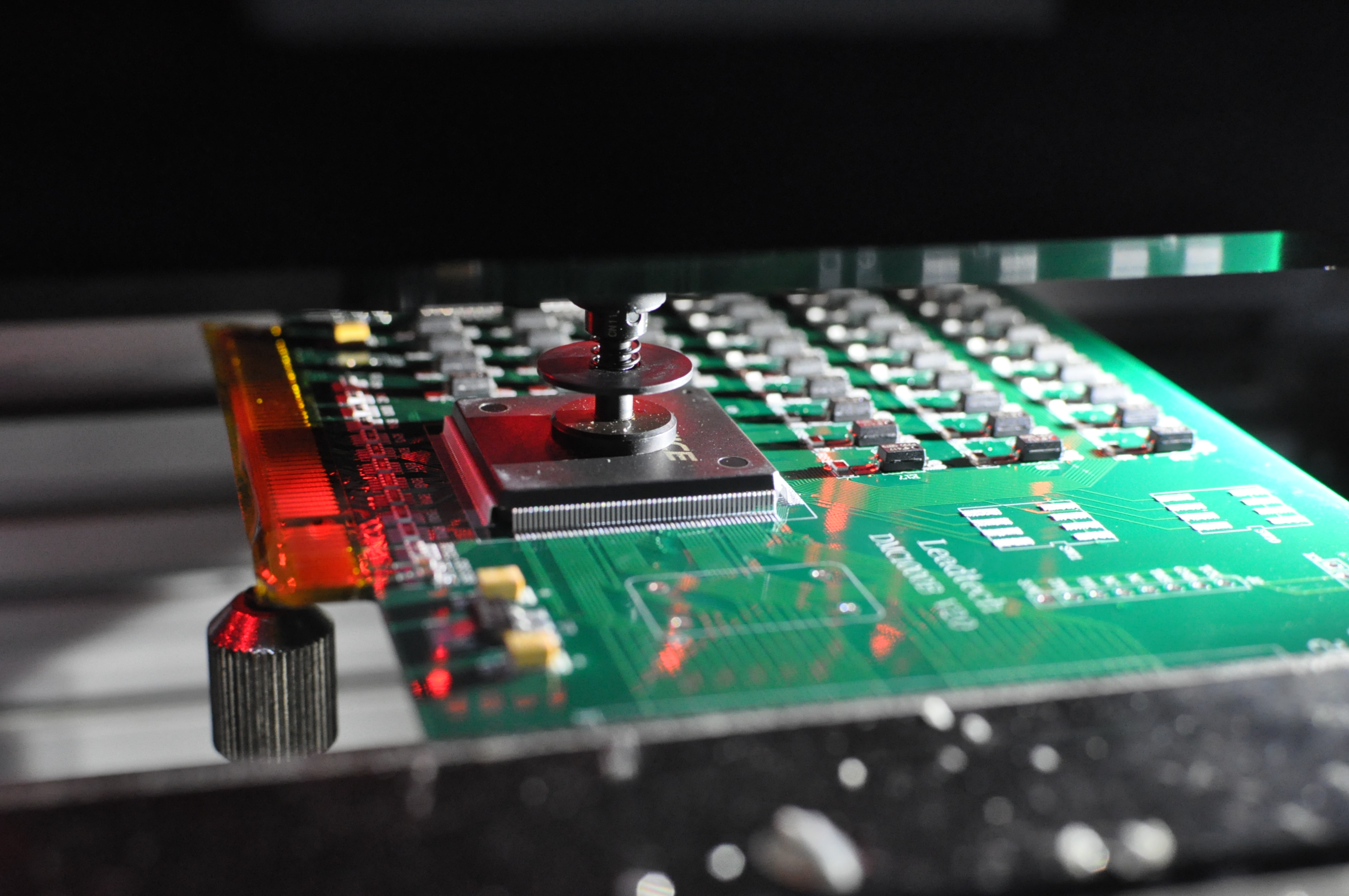


In the SMT and PCBA manufacturing industry, moving a product from R&D to stable mass production is often filled with uncertainty. How to validate design, process, and manufacturability before scaling up has become a critical concern for engineering and supply chain teams.
The PCBA engineering pilot platform, built around New Product Introduction (NPI), serves as a key solution. 1943 Technology provides a comprehensive, one-stop NPI service covering design validation, functional and performance validation, process validation, compatibility validation, and production validation, helping customers transition efficiently from prototype to volume production.
What Is a PCBA Engineering Pilot Platform?
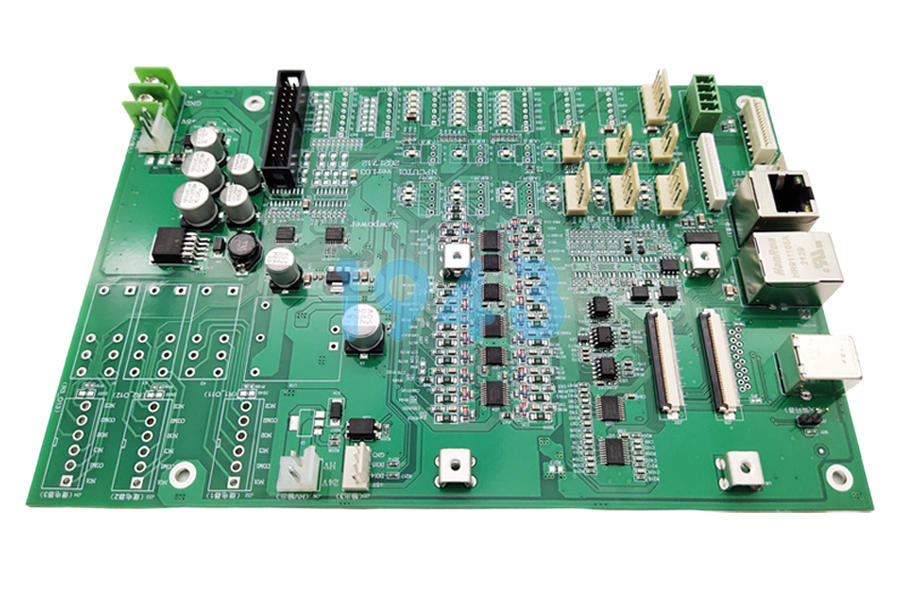
A PCBA engineering pilot platform bridges the gap between product development and mass production. Through pilot runs and small-batch builds, it evaluates whether a product is ready for scalable manufacturing.
More than just a trial production line, it is a structured engineering system integrating design optimization, process verification, and production feedback. Typical capabilities include:
- PCB manufacturability assessment and design alignment
- SMT assembly process validation
- Through-hole assembly and post-soldering verification
- Functional testing and performance evaluation
- Final assembly and finished product validation
This approach ensures that prototypes evolve into production-ready products with repeatable quality.

Five Key Validation Stages in NPI
A robust PCBA engineering pilot platform is built on five essential validation stages:
1. Design Validation (DFM/DFT Optimization)
Optimize the design for manufacturability and testability, reducing production complexity and avoiding costly redesigns.
2. Functional & Performance Validation
Ensure that the product performs reliably under expected operating conditions.
3. Process Validation
Verify the feasibility and stability of manufacturing processes, including SMT assembly, soldering, and final assembly.
4. Compatibility Validation
Confirm alignment between electronic systems, structure, and integration requirements to prevent mismatches during production.
5. Production Validation (Pilot Run)
Validate production readiness through pilot builds, ensuring stable yield, cycle time, and delivery capability.
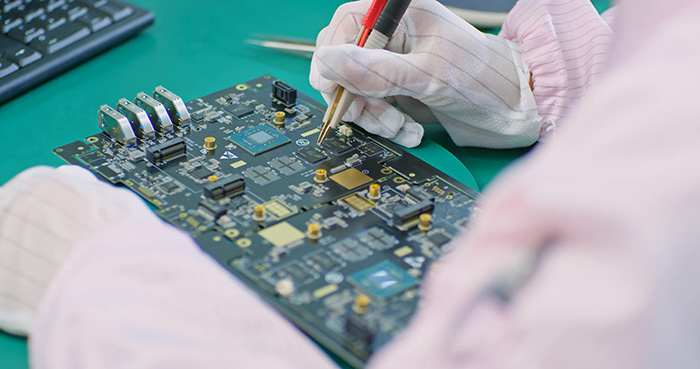
Core Value of NPI: Building Standards for Scalable Production
NPI is not just about testing whether a product works—it is about establishing a standardized, repeatable manufacturing process.
Through a structured NPI workflow, key questions are addressed:
- Is the process stable and executable?
- Are materials and supply chains reliable?
- Can product quality remain consistent?
- Is the project timeline achievable?
By answering these questions early, NPI enables:
- Controlled costs
- Stable quality
- Predictable delivery
Without this phase, projects may face risks such as production failure, inconsistent quality, excessive cost, or delayed delivery.
1943 Technology: PCBA Engineering Pilot & NPI Service Advantages
1943 Technology focuses on NPI-driven engineering services, offering a highly integrated PCBA pilot platform with the following advantages:
NPI-Centered New Product Introduction
Comprehensive support from design optimization to pilot production, accelerating time-to-market.
Support for Engineering Pilot Runs & Small-Batch Production
Flexible manufacturing for high-mix, low-volume requirements during development stages.
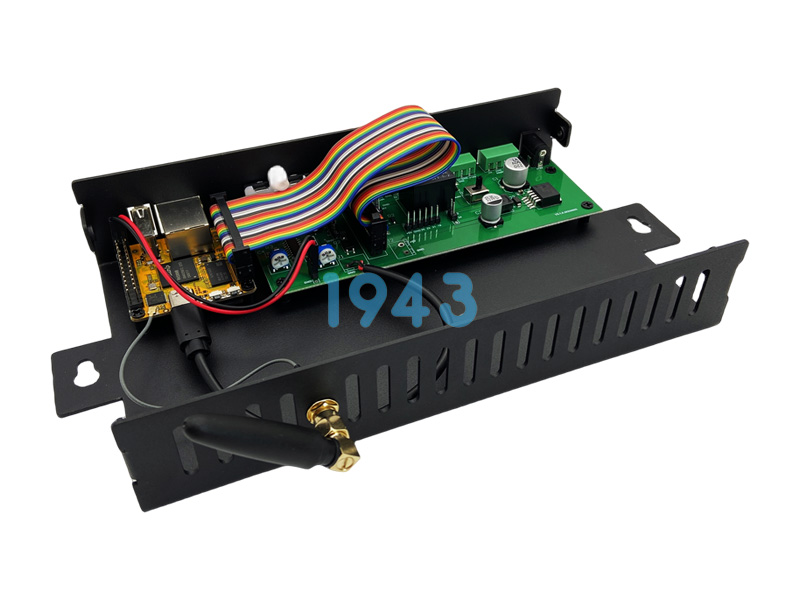
One-Stop PCBA Assembly & Box-Build Services
From SMT assembly to finished product integration, reducing coordination complexity.
Strong Engineering & Manufacturing Collaboration
Close alignment between engineering and production teams ensures continuous process improvement.
Data-Driven Optimization
Pilot production data is leveraged to refine design and manufacturing standards for future scaling.
Why Choose a PCBA Engineering Pilot Platform?
For companies developing new electronic products, a professional PCBA engineering pilot platform delivers clear benefits:
- Shorter product development cycles
- Reduced trial-and-error costs
- Higher success rate in mass production
- Improved product consistency and quality
In a competitive market, these advantages directly impact product success and business performance.
FAQ – PCBA Engineering Pilot & NPI Services
1. What is the difference between prototype assembly and engineering pilot services?
Prototype assembly focuses on verifying basic functionality, while engineering pilot services validate full manufacturability, including process stability, yield, and production readiness.
2. When should NPI services be used?
NPI services are ideal when a product transitions from prototype to pre-production, especially before scaling to mass production.
3. Can small-batch production skip the NPI stage?
It is not recommended. Pilot validation helps identify and resolve issues early, preventing risks from escalating during larger production runs.
4. Does the PCBA engineering pilot platform include final assembly?
Yes. One-stop services can include SMT assembly, sub-assembly, and full product assembly, improving efficiency and consistency.
Conclusion
A PCBA engineering pilot platform is a critical bridge between innovation and scalable production. By implementing a structured NPI process, companies can significantly reduce risks and improve product readiness.
1943 Technology leverages its expertise in SMT and PCBA manufacturing to deliver reliable, efficient engineering pilot and NPI services—helping customers bring products to market faster and with greater confidence.
 2026-04-29