

Complete Guide to SMT Prototype Pilot Run & Small‑Batch Assembly
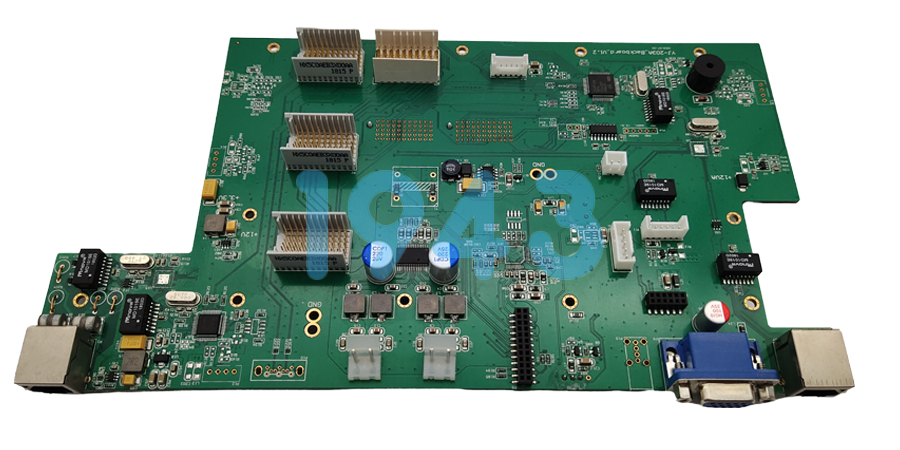
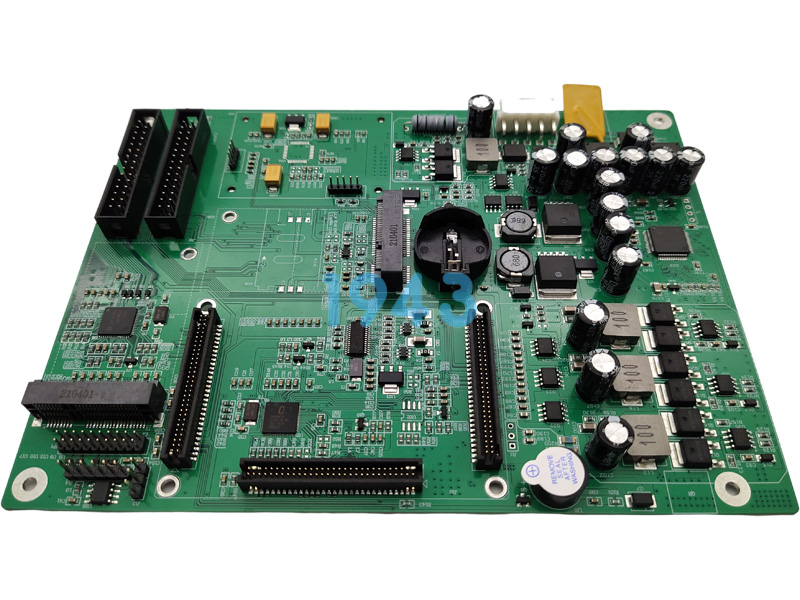
In the SMT mounting and PCBA manufacturing industry, NPI (New Product Introduction) validation acts as a critical bridge between R&D design and stable mass production. It effectively avoids batch rework, cuts production costs and shortens product time‑to‑market. Many R&D teams face common issues such as functional prototypes working well but mass‑produced units failing, mainly due to insufficient professional NPI validation processes. As an SMT manufacturer, 1943 Technology specializes in PCBA NPI services, including R&D pilot run NPI and small‑batch finished‑product assembly, delivering standardized validation solutions to turn electronic designs into market‑ready products.
1. Definition & Industry Value of PCBA NPI Validation
Unlike simple prototyping which only checks basic functionality, PCBA NPI validation is a systematic engineering process covering DFM review, SMT process verification, component compliance inspection, test protocol development and small‑batch trial production.
Its core values include:
- Early risk detection: Identify over 90% of design and process defects such as unreasonable pad layout and component interference before mass production
- Standardized production parameters: Stabilize solder paste printing, component placement and soldering processes for consistent product quality
- Faster market launch: Streamline the whole workflow from R&D pilot run to small‑batch assembly and subsequent mass production
2. Standard PCBA NPI Validation Workflow for SMT Mounting
1943 Technology follows a strict and customized NPI validation procedure tailored to R&D and small‑batch manufacturing needs:
2.1 DFM Design‑for‑Manufacturability Review
We analyze Gerber files, BOM lists and assembly drawings thoroughly, optimizing pad layout, component arrangement, panel design and test point configuration to eliminate manufacturability risks in advance.
2.2 Process Development & Verification
We develop dedicated SMT processes based on PCB specifications and component types, including stencil design, high‑precision component placement and reflow profile optimization for reliable soldering performance.
2.3 Component Verification & Material Management
We check component specifications, packaging compatibility and alternative‑part reliability, ensuring full material readiness to avoid production delays during pilot runs and small‑batch assembly.
2.4 First‑Article Inspection & Small‑Batch Trial Production
Strict SPI, AOI, X‑ray and FCT testing are conducted for first‑article validation. Small‑batch trial production is performed according to customer requirements to verify yield rate and stabilize manufacturing standards.
2.5 Issue Resolution & Mass‑Production Handover
All production defects are analyzed and fixed systematically. Complete production documents, procedures and quality standards are delivered for smooth transition to mass production or continuous small‑batch supply.

3. Core Advantages of 1943 Technology NPI Services
As a professional SMT and PCBA manufacturer focusing on NPI solutions, 1943 Technology provides customized support for R&D pilot run and small‑batch assembly:
- Specialized NPI service focus: Dedicated to PCBA new‑product introduction with flexible support for R&D prototype testing and low‑volume assembly
- Strict quality control: Equipped with advanced testing equipment and compliant with IPC standards to guarantee stable prototype and small‑batch quality
- Low‑volume order flexibility: Accept small‑batch pilot runs starting from small quantities to meet diverse R&D verification needs
- Fast response & technical support: Professional NPI engineers provide one‑on‑one technical guidance to shorten validation cycles and accelerate product launch
4. FAQ About PCBA NPI Validation
Q1: What is the difference between NPI validation and normal prototyping?
A: Normal prototyping only produces a small number of samples to test basic functions. NPI validation is a full‑cycle engineering service verifying mass‑production feasibility, including DFM review, process optimization and trial production, which prevents potential mass‑production failures.
Q2: Is NPI validation necessary for R&D pilot run stages?
A: Yes. Pilot runs are designed to test design feasibility and process adaptability. Skipping NPI validation often leads to hidden design defects, unstable processes and low small‑batch yield rates. NPI validation provides reliable data for R&D iteration.
Q3: Do small‑batch projects require professional NPI validation?
A: Definitely. Even small‑volume products for engineering tests or customer delivery need stable quality. NPI validation sets standardized manufacturing and testing rules to avoid costly batch rework.
Q4: How long does NPI validation take? Does it increase extra costs?
A: Validation time depends on product complexity, ranging from 2–3 weeks for simple PCBs to 4–6 weeks for complex high‑reliability boards. Minor upfront engineering investment reduces long‑term risks including mass rework, material waste and delayed delivery, lowering overall project costs.
Summary
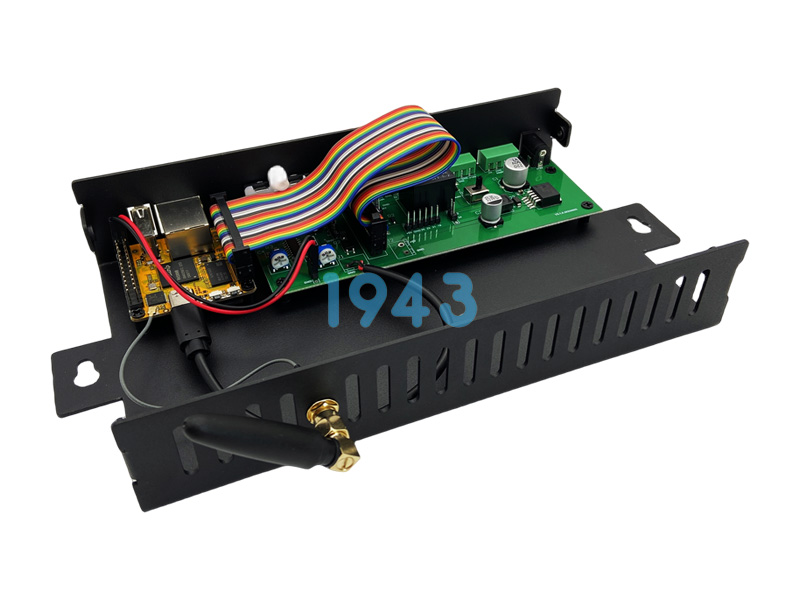
PCBA NPI validation is essential for stable SMT and PCBA manufacturing. With experienced NPI teams, standardized workflows and comprehensive quality management, 1943 Technology delivers reliable PCBA new‑product introduction services, covering R&D pilot run NPI and small‑batch finished‑product assembly, helping electronic manufacturers reduce R&D risks and enhance market competitiveness.
 2026-05-14