

How to Choose the Right PCBA Partner for NPI and Low-Volume Production
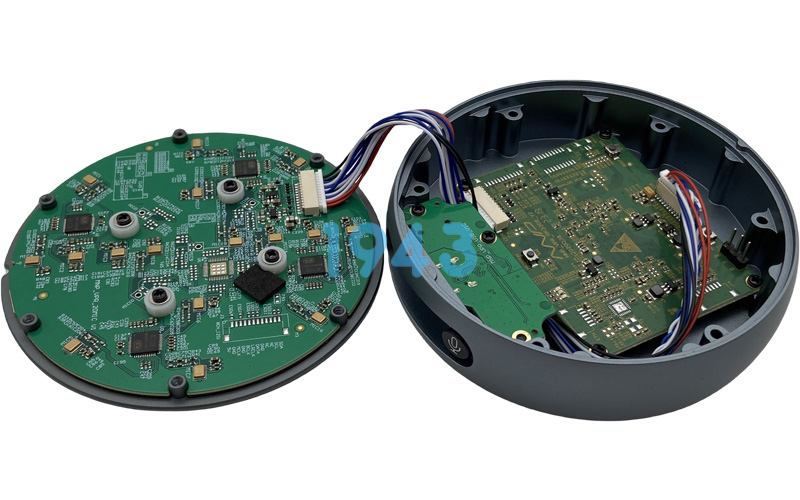
In today’s fast-moving electronics manufacturing industry, choosing a reliable SMT PCB assembly manufacturer is no longer only about production capacity. For many hardware startups, R&D teams, and technology companies, the real challenge is finding a PCBA partner that can support New Product Introduction (NPI), engineering validation, and low-volume assembly during the product development stage.
As product development cycles become shorter and hardware iterations become faster, companies increasingly search for terms such as “SMT PCB assembly manufacturer,” “PCBA prototype assembly service,” “NPI PCBA manufacturer,” and “low-volume PCB assembly service.” A professional manufacturing partner with strong engineering support can help reduce development risks and improve project efficiency.
What Makes a Professional SMT PCB Assembly Manufacturer?
A qualified SMT assembly supplier should provide more than standard PCB assembly services. For R&D-oriented projects, engineering collaboration and flexible manufacturing capabilities are equally important.
A professional PCBA manufacturer should typically offer:
- SMT PCB assembly services
- PCBA prototype manufacturing
- New Product Introduction (NPI) support
- Engineering validation assistance
- Low-volume production capability
- Functional testing support
- Final product assembly services
- Supply chain coordination
For development-stage projects, manufacturing flexibility and fast engineering response are often more valuable than simple high-volume production capacity.
Why NPI Service Is Important for New Hardware Projects
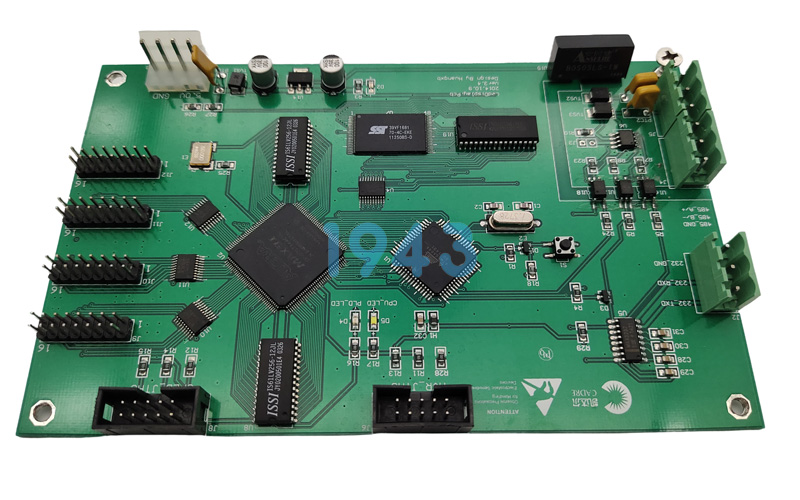
NPI (New Product Introduction) plays a critical role in transforming a design concept into a manufacturable product.
During the NPI stage, manufacturers help identify potential production risks before mass production begins. This process may include:
- BOM verification
- DFM (Design for Manufacturability) review
- Process evaluation
- Prototype assembly
- Engineering trial production
- Functional verification
- Assembly optimization
Without proper NPI management, hardware projects may encounter repeated production issues, unstable assembly quality, or delays during later production stages.
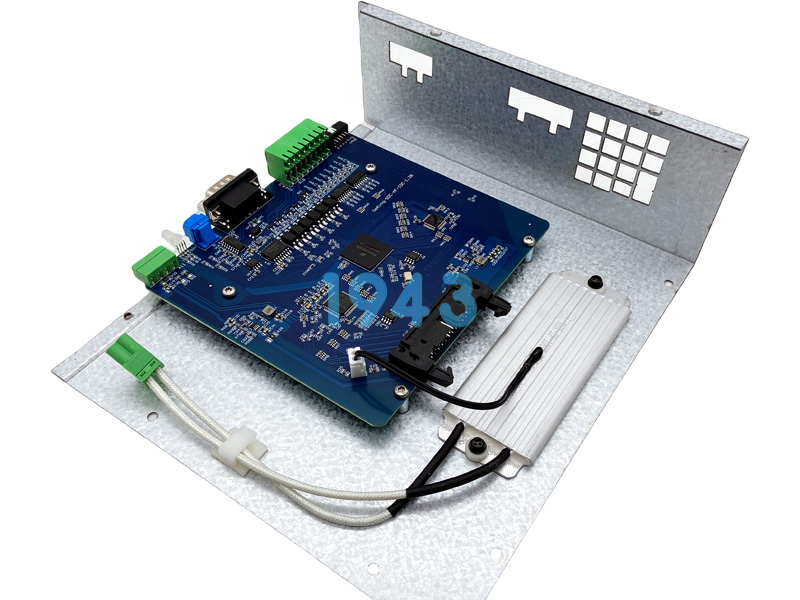
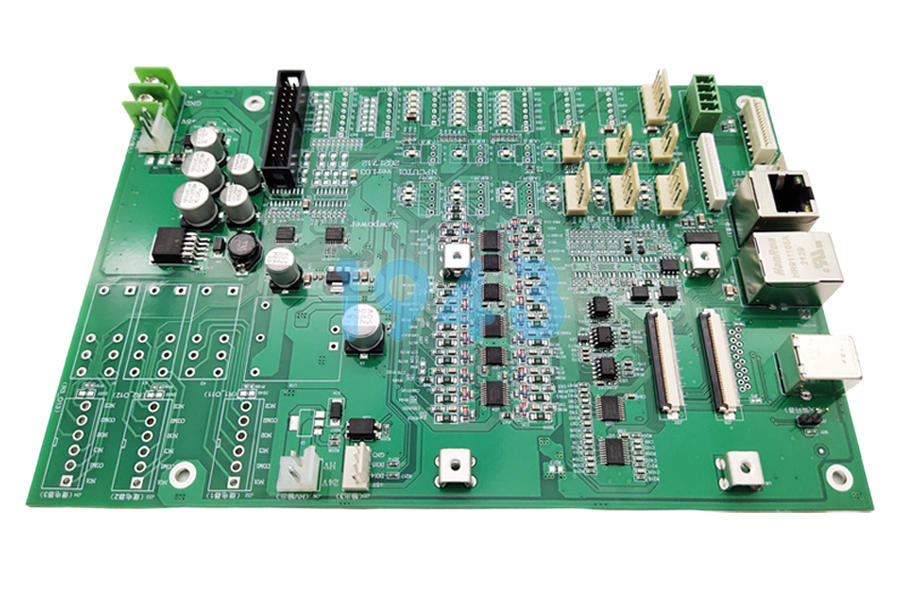
1943 Technology focuses on PCBA NPI support services and helps customers improve development efficiency through engineering-oriented manufacturing collaboration.
Low-Volume PCB Assembly Is Becoming More Important
Modern electronic product development usually requires multiple rounds of testing and validation. Because of this, low-volume PCB assembly has become an essential manufacturing model for many companies.
Compared with traditional mass production, low-volume manufacturing offers several advantages:
Faster Product Iteration
Engineering teams can quickly verify design changes without large inventory pressure.
Lower Development Risk
Small production batches help reduce material waste and lower trial-and-error costs.
Better Engineering Flexibility
Manufacturing processes can be adjusted more efficiently during validation stages.
Easier Functional Verification
Low-volume production allows repeated testing and optimization before scaling production.
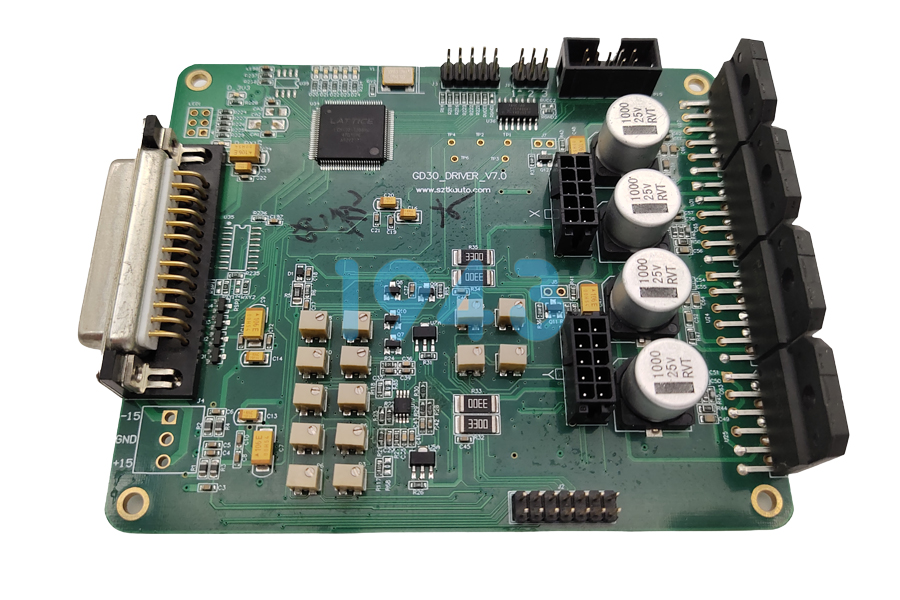
1943 Technology supports R&D trial production and low-volume finished product assembly, helping customers accelerate hardware development projects more efficiently.
Key Factors When Choosing an SMT PCB Assembly Partner
Selecting the right SMT manufacturer directly affects product quality, delivery efficiency, and project timelines.
Here are several important factors to evaluate:
Engineering Support Capability
An experienced engineering team can identify manufacturing risks early and improve production stability.
NPI Project Management Experience
Professional NPI management helps coordinate engineering, production, testing, and material preparation more efficiently.
Flexible Low-Volume Production
For prototype and pilot-run projects, flexible scheduling and fast turnaround are essential.
Quality Control System
Stable manufacturing quality depends on standardized inspection and process management systems.
Supply Chain Coordination
Efficient material management helps reduce delays caused by component shortages or BOM changes.
Why Engineering Collaboration Matters More Than Low Pricing
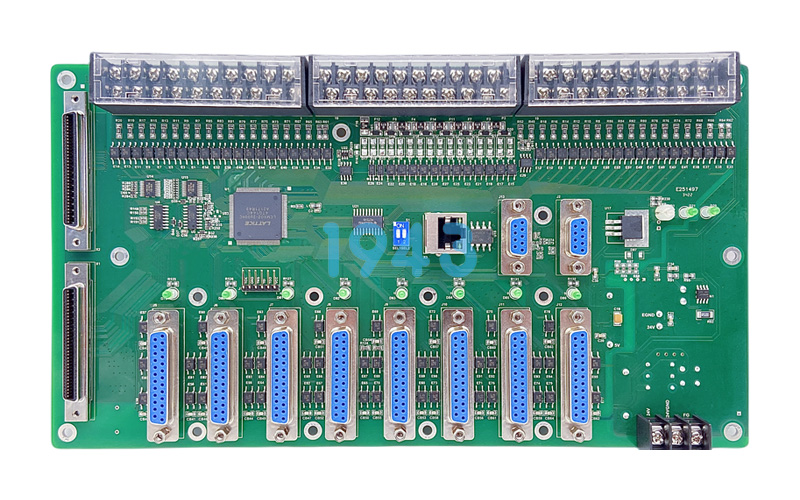
Many companies initially compare PCB assembly suppliers mainly by unit price. However, for NPI and development-stage projects, engineering responsiveness is often more important than low-cost manufacturing.
Common problems caused by weak engineering support include:
- Repeated production defects
- Slow engineering feedback
- Delayed delivery schedules
- Material coordination issues
- Poor testing support
- Manufacturing inconsistency
A professional SMT PCB assembly partner should help customers improve overall project execution efficiency instead of simply providing assembly services.
1943 Technology’s Service Focus
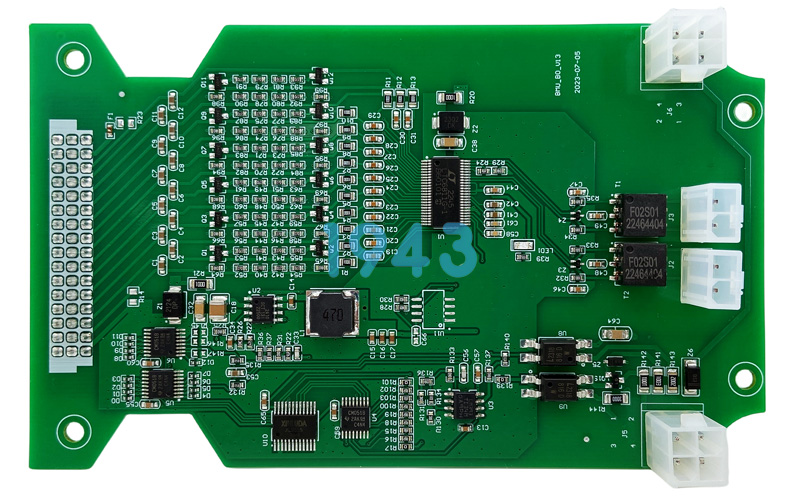
1943 Technology focuses on engineering-oriented PCBA collaboration services for new product development projects.
Core service areas include:
- SMT PCB assembly
- PCBA prototype manufacturing
- New Product Introduction (NPI) support
- Engineering trial production
- Low-volume PCB assembly
- Finished product assembly
- BOM material coordination
- Functional testing support
- Manufacturing process validation
Through flexible engineering collaboration and low-volume manufacturing support, 1943 Technology helps customers improve product development efficiency and reduce project risks.
Frequently Asked Questions (FAQ)
FAQ 1: What is SMT PCB assembly?
SMT PCB assembly is the process of mounting electronic components directly onto printed circuit boards using surface mount technology. It is widely used for modern electronic manufacturing because of its high efficiency and precision.
FAQ 2: What is NPI in PCBA manufacturing?
NPI stands for New Product Introduction. It is a manufacturing process that helps transition a product from the design stage into stable production through engineering verification, prototype assembly, and process validation.
FAQ 3: Why is low-volume PCB assembly important?
Low-volume PCB assembly allows companies to test, validate, and optimize products before mass production. It helps reduce inventory risk and improves development flexibility.
FAQ 4: How do I choose the right SMT PCB assembly manufacturer?
Important factors include engineering capability, NPI experience, manufacturing flexibility, quality control systems, delivery stability, and communication efficiency during project execution.

 2026-05-20