

Accelerating New Product Introduction from Prototype to Production
In the electronics manufacturing industry, bringing a new product from concept to stable production requires more than standard PCB assembly capability. As product development cycles become shorter and hardware projects become increasingly complex, New Product Introduction (NPI) service has become a critical part of modern PCBA manufacturing.
For many hardware companies, startups, R&D teams, and technology developers, the biggest challenge is not simply manufacturing a PCB assembly, but ensuring that the product can move smoothly from engineering validation into scalable production.
This is where professional NPI support becomes essential.
What Is NPI in PCBA Manufacturing?
NPI, or New Product Introduction, refers to the complete process of transitioning a new electronic product from the development stage into manufacturable production.
Unlike traditional production-focused PCB assembly, NPI services emphasize engineering collaboration, process verification, manufacturability analysis, and production optimization during the early stages of a project.
A typical PCBA NPI process may include:
- BOM verification
- DFM (Design for Manufacturability) review
- Gerber and engineering file analysis
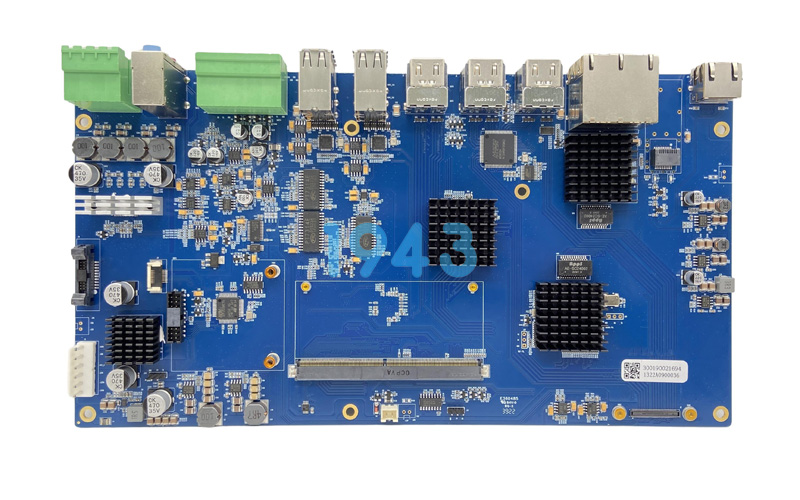
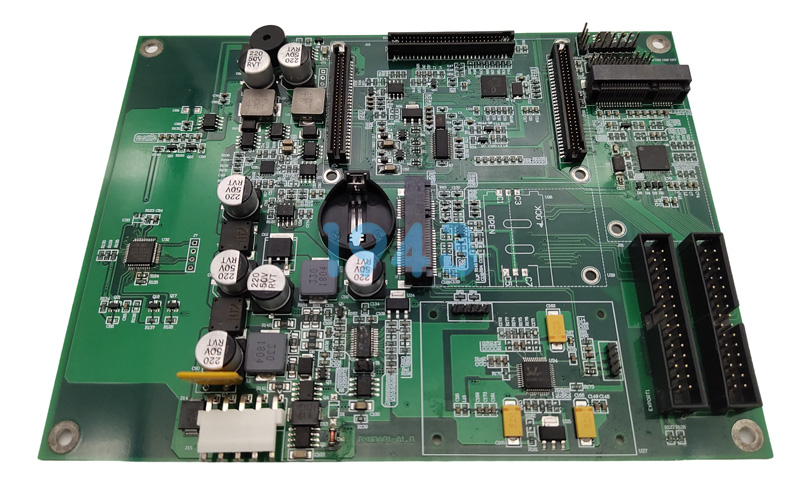
- Prototype PCB assembly
- SMT process evaluation
- Trial production support
- Functional testing verification
- Production process optimization
- Low-volume pilot run support
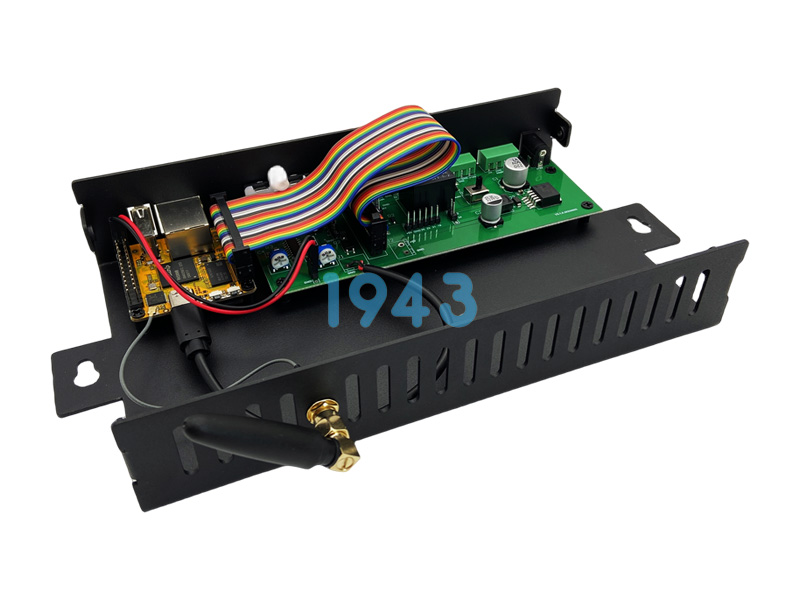
- Finished product assembly coordination
The primary goal of NPI is to identify and resolve potential manufacturing issues before mass production begins.
Why NPI Is Important for New Hardware Projects
Many hardware development projects encounter delays because manufacturing problems are discovered too late.
Without proper NPI management, companies may face:
- Frequent engineering changes
- Unstable assembly quality
- Repeated prototype failures
- Material compatibility problems
- Inefficient production workflows
- Delayed project schedules
NPI services help reduce these risks by improving communication between engineering teams and manufacturing teams early in the product lifecycle.
For complex PCB assembly projects, early engineering validation can significantly improve production stability and shorten overall development time.
NPI Is More Than PCB Assembly
Many companies misunderstand NPI as simply prototype manufacturing. In reality, professional NPI service involves much deeper engineering coordination.
A qualified PCBA NPI partner should support:
Engineering Evaluation
Manufacturing engineers analyze PCB layout, component placement, soldering risks, and production feasibility before assembly begins.
Material Risk Assessment
BOM analysis helps identify supply chain risks, alternative components, and potential sourcing issues.
Process Validation
SMT processes, soldering profiles, and assembly workflows are verified to ensure stable manufacturing quality.
Functional Verification
Testing procedures are evaluated to improve product reliability during later production stages.
Pilot Production Support
Small-batch manufacturing helps validate production consistency before scaling volume.
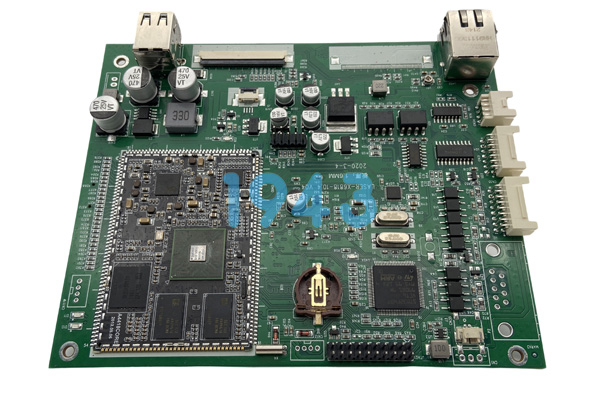
The Growing Demand for Low-Volume NPI Manufacturing
Modern electronic products often require multiple rounds of testing and optimization. Because of this, low-volume manufacturing has become an important part of the NPI process.
Compared with traditional high-volume production, low-volume PCBA assembly offers several advantages:
- Faster engineering iteration
- Reduced inventory pressure
- Better design flexibility
- Faster validation cycles
- Lower development risk
- Easier process optimization
For startups and R&D-driven companies, flexible low-volume NPI manufacturing can greatly improve product development efficiency.
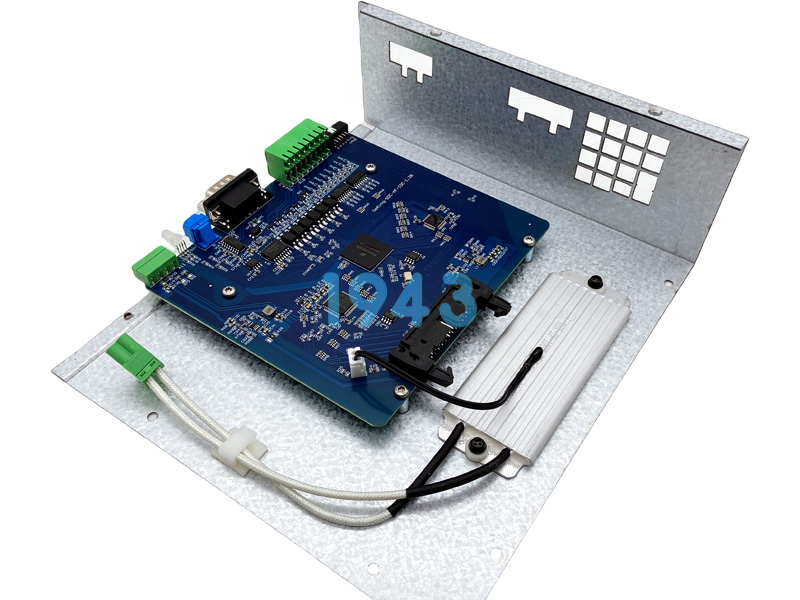
Key Capabilities of a Professional NPI PCBA Manufacturer
When choosing an NPI manufacturing partner, companies should evaluate more than basic assembly capability.
Important factors include:
Engineering Collaboration Capability
Strong communication between engineers and production teams helps solve issues faster during development stages.
Flexible Manufacturing Support
NPI projects usually involve engineering changes, urgent revisions, and small production quantities.
Quality Management System
Standardized inspection and process control help improve consistency during pilot production.
Supply Chain Coordination
Efficient material management reduces delays caused by component shortages or BOM changes.
Low-Volume Finished Product Assembly
Some NPI projects require complete product assembly support beyond PCB manufacturing.
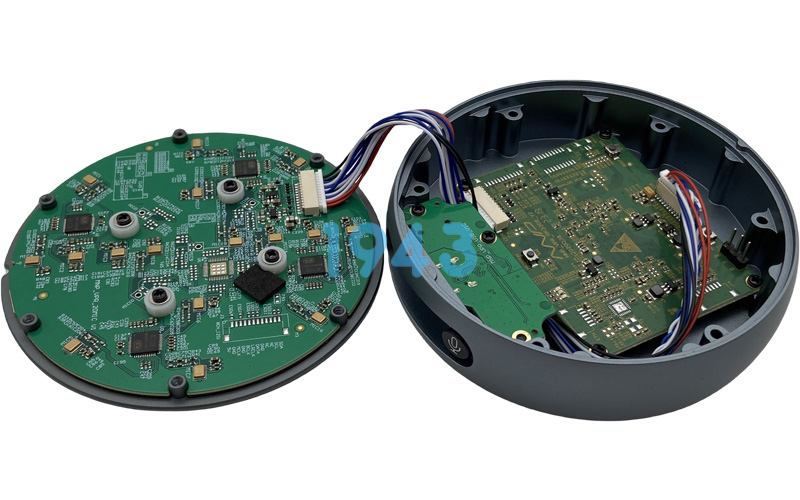
1943 Technology’s NPI Service Focus
1943 Technology focuses on engineering-oriented PCBA NPI services for new product development projects.
The company supports customers through:
- PCBA New Product Introduction (NPI)
- SMT PCB assembly services
- Prototype PCB assembly
- Engineering trial production
- Low-volume manufacturing
- Finished product assembly
- BOM material coordination
- Manufacturing process validation
- Functional testing collaboration
By focusing on engineering support and flexible manufacturing collaboration, 1943 Technology helps customers improve development efficiency and accelerate product introduction timelines.
Frequently Asked Questions (FAQ)
FAQ 1: What does NPI mean in electronics manufacturing?
NPI stands for New Product Introduction. It is the process of preparing a new electronic product for stable manufacturing through engineering validation, prototype assembly, and production optimization.
FAQ 2: Why is NPI important for PCBA projects?
NPI helps identify manufacturing risks early, improves engineering collaboration, reduces production errors, and shortens product development cycles.
FAQ 3: What is included in PCBA NPI service?
PCBA NPI services may include DFM review, BOM analysis, prototype assembly, process validation, testing support, pilot production, and low-volume manufacturing.
FAQ 4: Can NPI services support low-volume production?
Yes. Most NPI projects involve prototype builds and low-volume trial production before entering full-scale manufacturing.
 2026-05-20