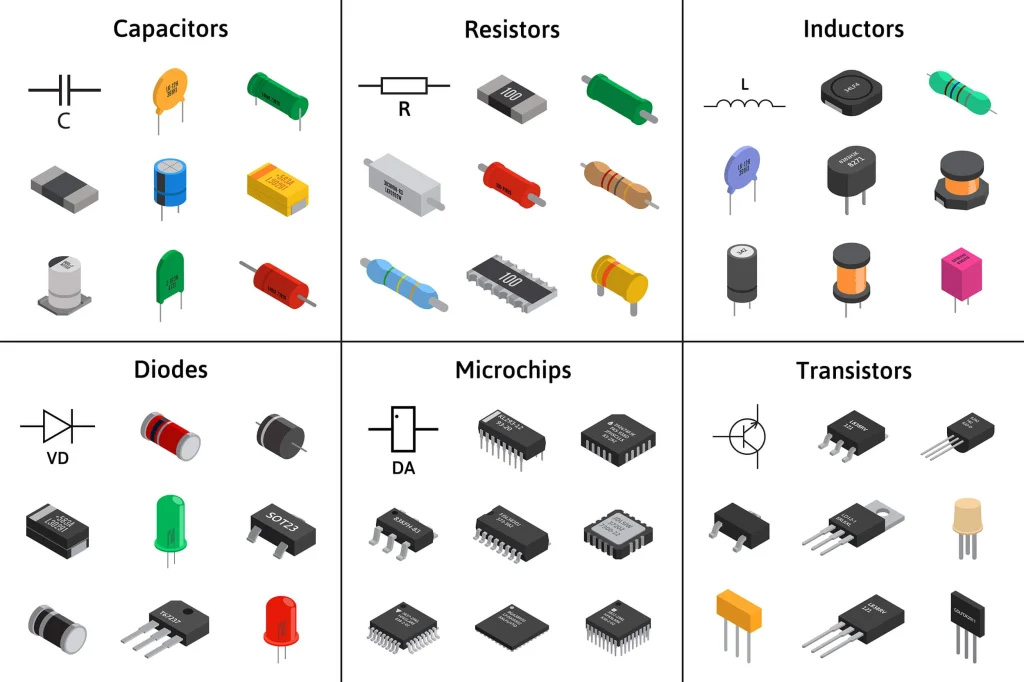


Complete Guide to High-Quality PCBA Prototyping and NPI Services
In today's fast-paced electronics development cycles, SMT (Surface Mount Technology) prototyping has become a crucial step between design and mass production. For research and development teams, choosing a reliable SMT prototyping manufacturer not only affects the efficiency of product validation but also directly influences mass production stability and cost control. So, what makes an SMT prototyping service truly high-quality? What should companies focus on when selecting a partner?
In this article, we will analyze the core capabilities of SMT prototyping manufacturers and highlight the critical value of New Product Introduction (NPI) services throughout the development process.
What is SMT Prototyping, and Why Is It So Important?
SMT prototyping refers to the small-batch assembly of PCBs before full-scale production to validate circuit design, functionality, and process feasibility. It serves as a "test" for the design and is a crucial safeguard against production risks.
A high-quality SMT prototyping process typically involves the following key validation steps:
- Design Validation (DFM/DFA optimization)
- Functional and Performance Validation
- Process Validation (Placement, Soldering, Testing)
- Compatibility Validation (Structural and System Compatibility)
- Small-Batch Production Validation
Only after these steps are thoroughly verified can a product smoothly transition to large-scale production.
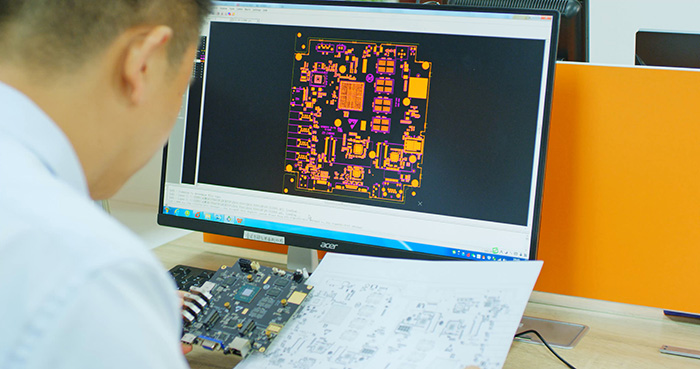
Key Capabilities of a Reliable SMT Prototyping Manufacturer
When selecting an SMT prototyping manufacturer, price and delivery time are not the only factors to consider. It's essential to evaluate the overall manufacturing capabilities.
1. Comprehensive and Stable Process Capabilities
A reputable manufacturer should have a complete SMT, DIP, testing, and assembly capability and be able to simulate mass production processes during the prototyping phase. This "thinking from prototyping to mass production" capability is a critical standard for assessing professionalism.
2. Strong Engineering Support
Prototyping is not just about manufacturing—it's an engineering service. Does the manufacturer have DFM (Design for Manufacturability) analysis capabilities? Can they identify design risks early and provide optimization suggestions? These capabilities directly affect project efficiency.
3. Quick Response and Flexible Delivery
R&D projects often require rapid changes. A reliable SMT prototyping manufacturer must be able to offer flexible scheduling, small-batch production, and quick turnaround to meet fast-paced development needs.
4. Robust Quality Control Systems
A comprehensive quality control system (e.g., first-article inspection, process inspection, functional testing) is essential for ensuring the reliability of the prototype and the consistency of future mass production.
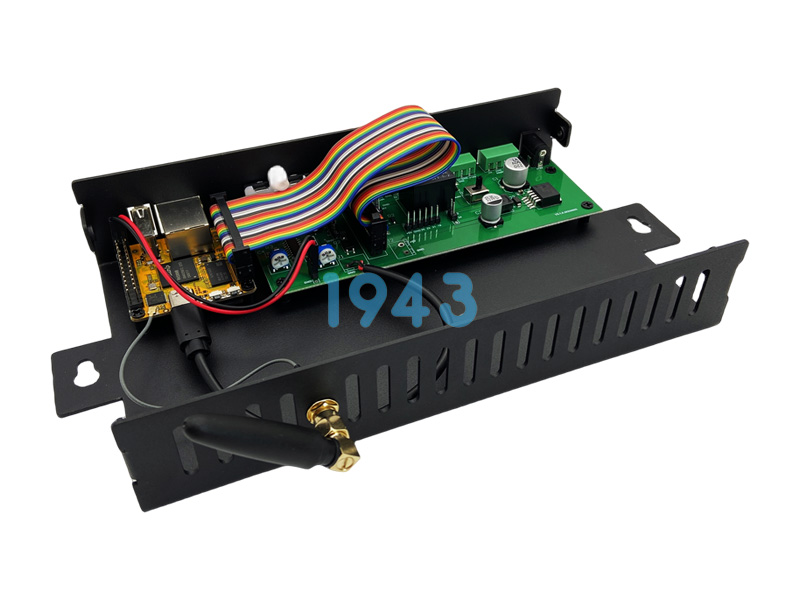
NPI Services: The Advanced Value of SMT Prototyping
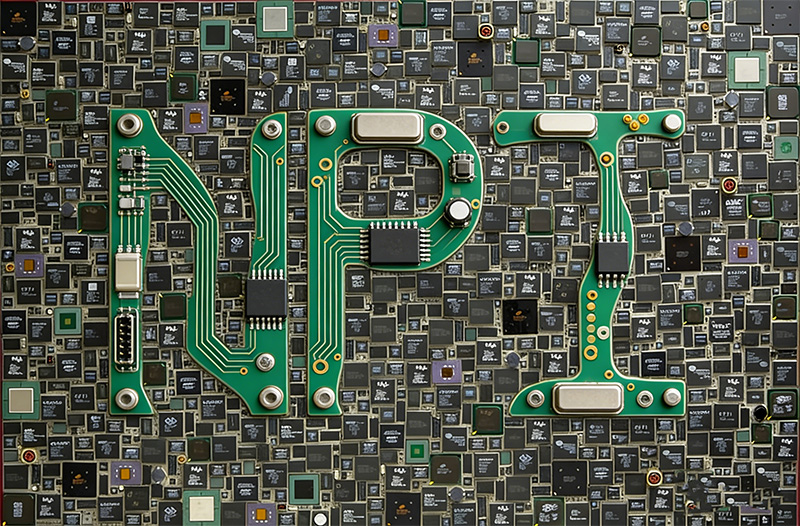
Unlike basic SMT prototyping, manufacturers with NPI (New Product Introduction) capabilities can offer systematic value throughout the product's development cycle.
NPI Services: "Setting Standards" for Mass Production
During the R&D to mass production transition, NPI plays a key role in turning uncertainties into standardized processes. Key aspects of NPI include:
- Establishing process parameter standards (e.g., soldering temperature, placement accuracy)
- Defining testing procedures and quality criteria
- Optimizing production workflows and work instructions
- Identifying potential risks early in the mass production process
Through NPI, companies can effectively reduce time and cost waste caused by repeated modifications during mass production.
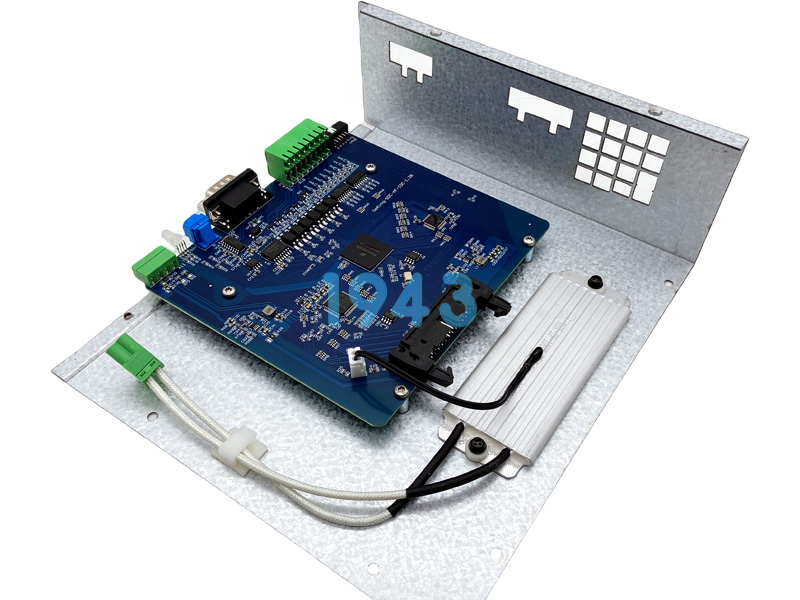
Why Choose 1943 Technology: One-Stop SMT Prototyping and NPI Services
As a specialized SMT prototyping and PCBA manufacturer, 1943 Technology provides not only prototyping capabilities but also full-process support from R&D to mass production.
Our core service advantages include:
- PCBA New Product Introduction (NPI) Services: Helping clients complete the entire process from design validation to production verification.
- Support for R&D Pilot NPI: Ideal for rapid product iterations and validation.
- Small-Batch Production and Assembly Services: Full-service delivery from PCB assembly to finished product assembly.
- Engineering-Driven Service Model: By engaging early in the process, we minimize design and manufacturing discrepancies.
This engineering-driven approach to service makes us an ideal partner for projects that require high-quality and stable products.
How to Choose the Right SMT Prototyping Manufacturer for Your Needs?
When selecting an SMT prototyping manufacturer, consider the following factors:
- Does the manufacturer have NPI capabilities in addition to basic prototyping?
- Can they handle multiple batches, small batches, and quick-turnaround prototyping?
- Do they have a robust engineering review and feedback process?
- Are they able to support full product assembly from prototyping to finished product?
Choosing a manufacturer that truly understands R&D needs offers long-term value beyond just low-cost options.

Frequently Asked Questions (FAQs)
Q1: How long does SMT prototyping usually take?
A: The typical time frame for SMT prototyping is 3-7 days, depending on the complexity of the PCB and material availability. More complex processes or multiple validation rounds may extend the timeline.
Q2: What is the difference between SMT prototyping and small-batch production?
A: SMT prototyping focuses on validating design and process feasibility, while small-batch production is closer to mass production and emphasizes consistency and stability across units.
Q3: Why is NPI service necessary, in addition to just prototyping?
A: NPI ensures that a complete set of process and quality standards are established before mass production begins, reducing risks and ensuring product consistency in the production phase.
Q4: Do you provide one-stop services from prototyping to finished product assembly?
A: Yes, we offer a full-service model that includes SMT prototyping, functional testing, and complete product assembly to streamline communication and improve efficiency.
Conclusion
In the highly competitive electronics manufacturing industry, SMT prototyping is no longer just a simple assembly task—it is a crucial part of ensuring product success. Choosing an SMT prototyping manufacturer with NPI capabilities, engineering support, and small-batch flexibility can save companies time and cost while accelerating the path from development to market.
If you are currently in the product development or introduction phase, partnering with a manufacturer that offers comprehensive services will be a more efficient and secure choice.
 2026-04-30