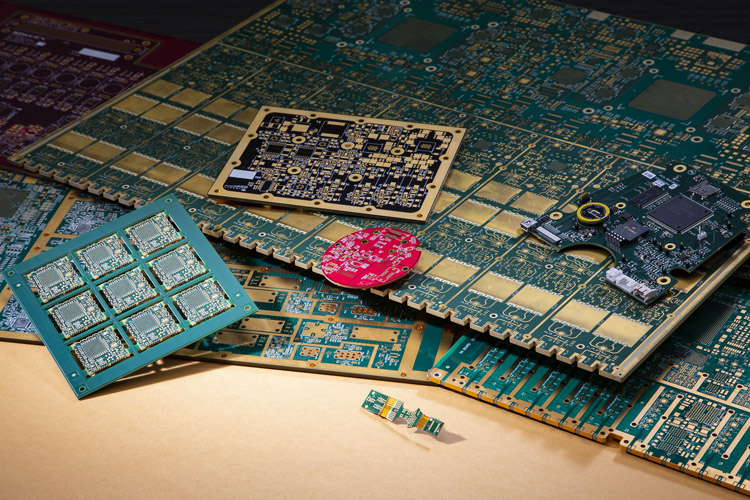


Launching a new electronic hardware product requires a flawless transition from concept to volume manufacturing. For engineering teams and hardware startups, the New Product Introduction (NPI) phase is the most critical bottleneck. A single overlooked design flaw or assembly mismatch can result in costly respins, delayed market entry, and budget overruns.
Our specialized PCBA NPI services bridge the gap between initial design and mass production. By providing a comprehensive, data-driven verification framework, we ensure your printed circuit board assemblies are optimized for yield, reliability, and scalability.
The Core Pillars of a Robust PCBA NPI Framework
A successful NPI process is not just about assembling prototype boards; it is about rigorous validation at every stage of the early lifecycle. Our structured approach covers five essential validation pillars:
1. Design Verification (DFM/DFT)
Before any hardware is built, engineering data undergoes strict validation.
-
Design for Manufacturing (DFM): Analyzing component footprints, clearance, trace widths, and layer stackups to eliminate manufacturing errors before fabrication.
-
Design for Testing (DFT): Ensuring adequate test point placement and accessibility for In-Circuit Testing (ICT) and Functional Testing (FCT).
2. Process Verification
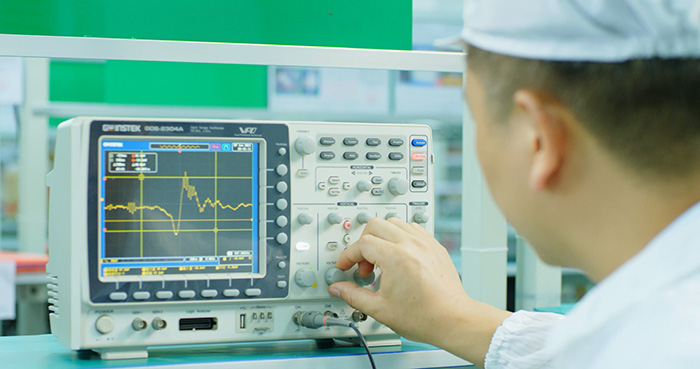
Every PCBA design has unique manufacturing requirements. We define and validate the optimal assembly process parameters, including solder paste stencil design, reflow oven thermal profiling, and component placement sequencing, to guarantee repeatable quality.
3. Adaptability & Fit Verification
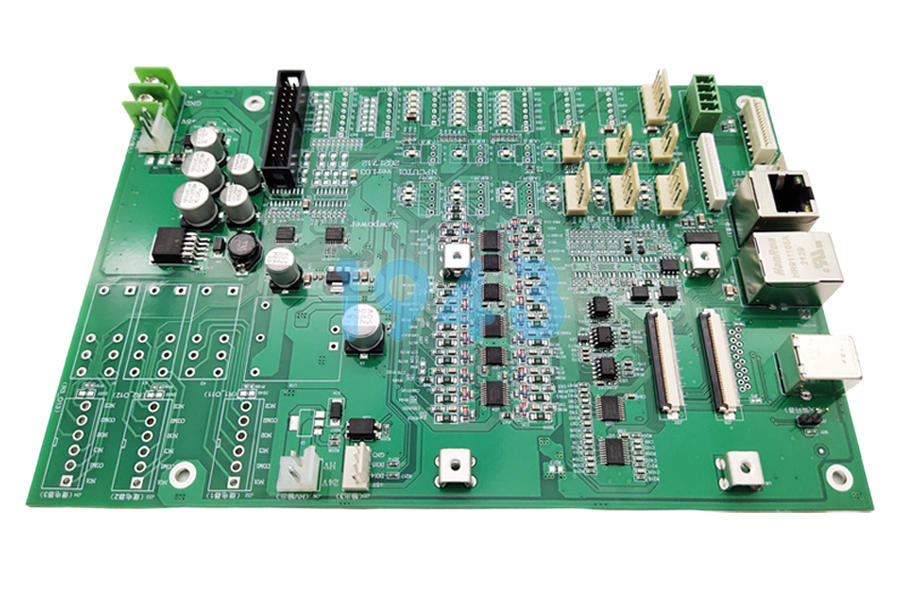
Electronic assemblies do not exist in a vacuum. We verify the physical and mechanical compatibility of the populated PCBA with its intended enclosure, connectors, and peripheral hardware to prevent mechanical interference issues down the road.
4. Production Verification (Run at Rate)
Before handing over to high-volume manufacturing, a pilot production run is executed. This stage evaluates actual line yield, cycle times, and process stability under real production conditions, ensuring the manufacturing blueprint is fully optimized for scale.
5. Data-Driven Feedback Loop
Every anomaly, component misalignment, or yield variance during the NPI phase is captured. We deliver structured, actionable engineering reports containing comprehensive data feedback, allowing your R&D team to refine designs rapidly and permanently.
The Core Advantage: Specialized NPI Project Management
The primary challenge of NPI is managing the moving parts—supply chain timelines, engineering revisions, and manufacturing constraints.
Our distinct advantage lies in our dedicated NPI project management service. Unlike standard contract manufacturers who treat prototypes as a disruption to their high-volume lines, our entire operations are optimized for the agile, iterative nature of NPI.
Technical Alignment: Every project is assigned a cross-functional team led by an experienced NPI Project Manager, backed by dedicated DFM engineers and process specialists. This ensures strict timeline tracking, risk mitigation, and seamless communication between your R&D team and the factory floor.
Why Optimizing for NPI Before Scaling is Essential
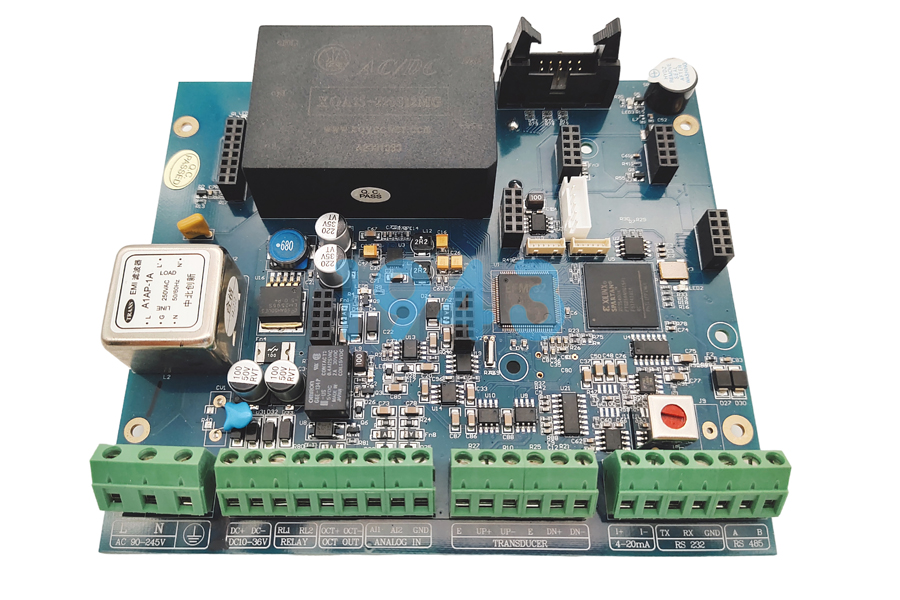
Skipping a dedicated NPI validation phase often leads to hidden costs during mass production. Implementing a structured NPI workflow yields predictable outcomes:
| Metric / Aspect | Without Structured NPI | With Dedicated NPI Services |
| First Pass Yield (FPY) | Highly unpredictable, often <85% on first runs | Consistently optimized toward >98% |
| Engineering Change Orders (ECOs) | Expensive, late-stage changes during mass production | Resolved early during design & process verification |
| Time-to-Market | Delayed by unexpected field failures or assembly blocks | Accelerated via parallel validation tracks |
| Documentation | Scattered assembly notes | Structured data feedback and manufacturing gold standards |
Frequently Asked Questions (FAQ)
Q1: What is the main difference between standard PCBA prototyping and a dedicated NPI service?
Standard prototyping focus solely on building a few working boards quickly, often ignoring how scalable the design is. A dedicated NPI service evaluates the manufacturability of the product. It includes strict DFM/DFT analysis, process verification, and data feedback to ensure that when you move to mass production, the yield remains high and the unit cost remains optimized.
Q2: Why is a specialized NPI Project Management service necessary for hardware development?
NPI projects involve frequent design iterations, supply chain volatility, and tight timelines. Dedicated NPI Project Management ensures that technical risks are identified early, engineering changes are tracked precisely, and communication between R&D and manufacturing remains seamless. This prevents the project stagnation typically found in traditional high-volume manufacturing environments.
Q3: How does the data feedback loop help our internal R&D engineering team?
During the NPI runs, we document every manufacturing anomaly, component tolerance issue, or assembly challenge. This data is compiled into a structured engineering report. Your R&D team receives direct, actionable feedback on what needs modification (e.g., pad sizing adjustments or component orientation changes) to ensure the next iteration or mass production run is seamless.
Q4: At what stage of our product development cycle should we engage an NPI service provider?
The ideal time to engage is during the final stages of the schematic capture and PCB layout, right before releasing the Gerber and BOM files for prototyping. Engaging early allows our DFM engineers to run pre-fabrication checks, saving you the time and cost of manufacturing unbuildable or low-yield PCB layouts.
 2026-05-30