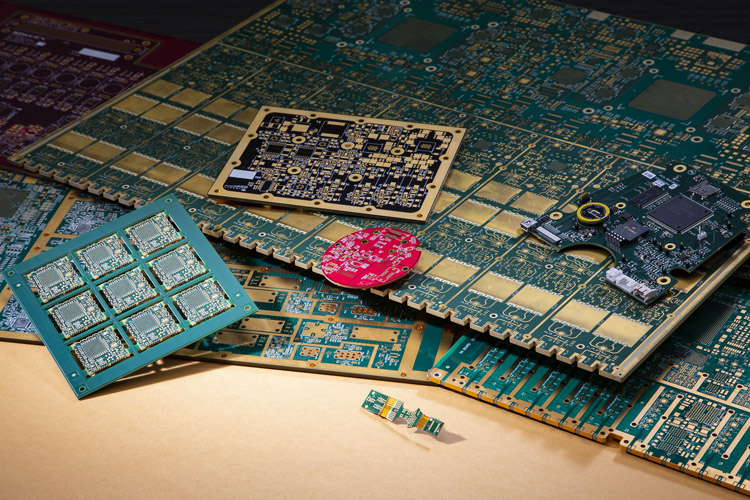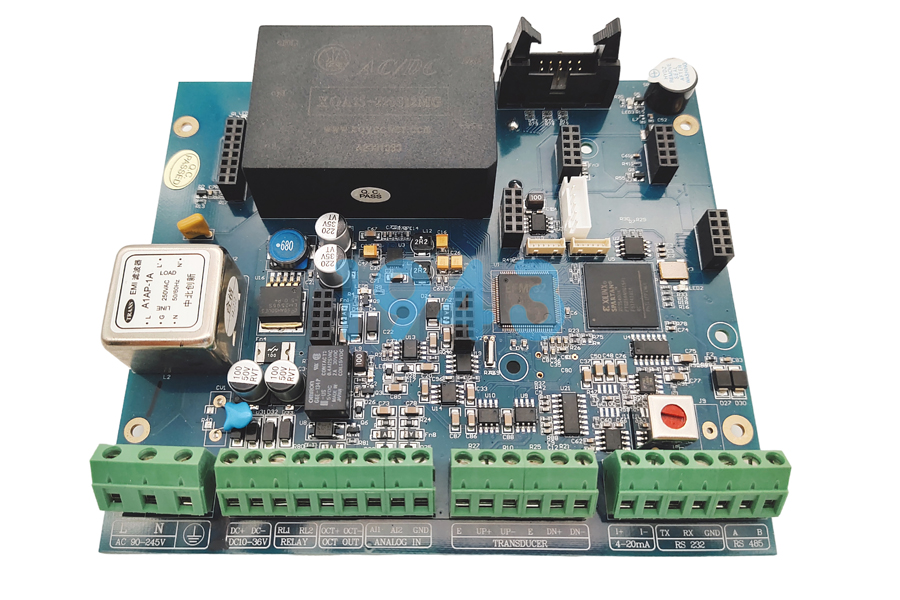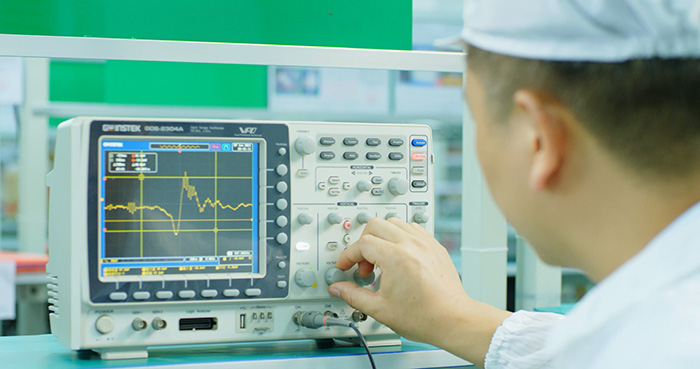


In electronics manufacturing, moving from initial design to stable production involves many technical steps and risks. At 1943, we provide complete PCBA NPI (New Product Introduction) support to help companies complete design validation, process validation, adaptation validation, production validation, and data feedback in a structured way.
Our focus is on delivering reliable technical execution through professional NPI project management. This ensures every stage stays on schedule, technical issues are addressed early, and production readiness improves.
What PCBA NPI Covers
Design Verification We review Gerber files, BOM, and schematic diagrams to identify potential manufacturing problems before prototyping. This includes DFM (Design for Manufacturability) analysis, component availability checks, and assembly process feasibility assessment.
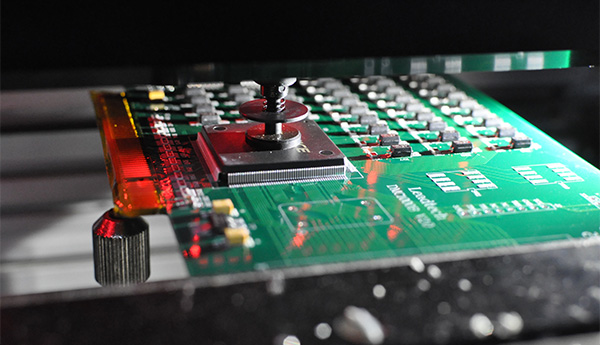
Process Verification Using small-batch trial runs, we test and optimize SMT placement, soldering parameters, and inspection standards. This helps establish stable process windows and reduces defects in later volume production.
Adaptation Verification We verify how the PCBA performs with different components, firmware versions, and mechanical interfaces. This step confirms compatibility and functional stability across expected operating conditions.
Production Verification We run pilot production to validate yield rates, cycle times, test coverage, and quality consistency. Data from these runs helps set final production parameters and quality control points.
Data Feedback All test results, failure analysis, and process data are systematically collected and reported. This provides clear information for design iteration or process improvement.
Why NPI Project Management Matters
Strong NPI project management sits at the core of our service. A dedicated project manager coordinates cross-functional teams, tracks milestones, manages risks, and maintains clear communication throughout the entire NPI cycle. This structured approach helps reduce delays, control costs, and increase the success rate of first-time production runs.
Benefits of Working with 1943
- Clear project timelines and regular progress updates
- Early detection of manufacturing risks
- Optimized processes based on real production data
- Comprehensive technical documentation for future reference
- Smooth transition from NPI to mass production
Many engineering and procurement teams look for reliable PCBA NPI partners when launching new products. Our service helps shorten the time from prototype to qualified production while maintaining technical standards.

Frequently Asked Questions
1. What is PCBA NPI and why is it necessary? PCBA NPI is the process of introducing a new circuit board assembly into production. It includes multiple verification stages to identify and solve problems before full-scale manufacturing. This reduces costly redesigns and production delays.
2. How long does a typical PCBA NPI project take? The timeline depends on product complexity, but most standard projects complete key verification stages within 4-8 weeks. Our project management team provides a detailed schedule at the beginning of each engagement.
3. Do you support small-batch trial production during NPI? Yes. We provide flexible small-batch production services as part of process and production verification. This helps validate real manufacturing conditions and collect useful performance data.
4. What kind of documentation will we receive after NPI? You will receive complete NPI reports including DFM analysis, process parameters, test results, failure analysis (if any), recommended production settings, and yield data. These documents support smooth handover to volume production.
If you are preparing for a new PCBA project and need professional NPI support, feel free to contact 1943. Our team focuses on delivering practical technical results through systematic project management.
 2026-05-30