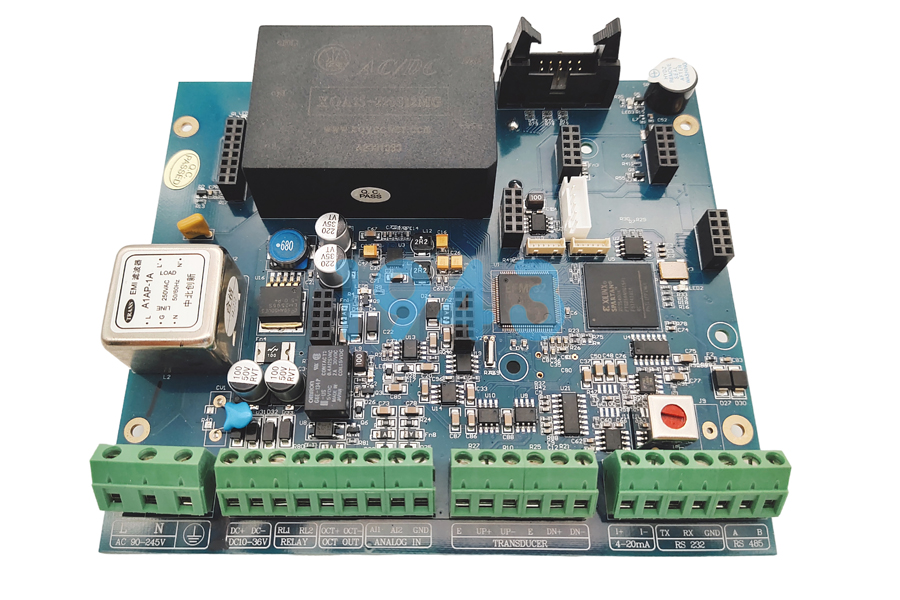


A Structured Path from Design Validation to Production Readiness
Launching a new electronic product successfully requires more than quality assembly. Before volume production begins, manufacturers must verify product design, manufacturing processes, compatibility requirements, production capability, and data consistency. A structured NPI (New Product Introduction) project management approach helps reduce risks, shorten development cycles, and improve first-pass success rates.
For OEMs, product developers, engineering teams, and technology companies, selecting a PCBA manufacturing partner with comprehensive NPI services can significantly improve project outcomes and accelerate the transition from prototype to mass production.
What Is NPI in PCBA Manufacturing?
NPI (New Product Introduction) is a systematic process that ensures a new PCB assembly design is ready for stable and repeatable manufacturing. It bridges the gap between product development and production by identifying potential issues before they become costly manufacturing problems.
An effective NPI process typically includes:
- Design Validation
- Process Validation
- Compatibility Validation
- Production Validation
- Manufacturing Data Feedback
By integrating these stages into a unified project management framework, manufacturers can improve product quality, manufacturing efficiency, and supply chain coordination.
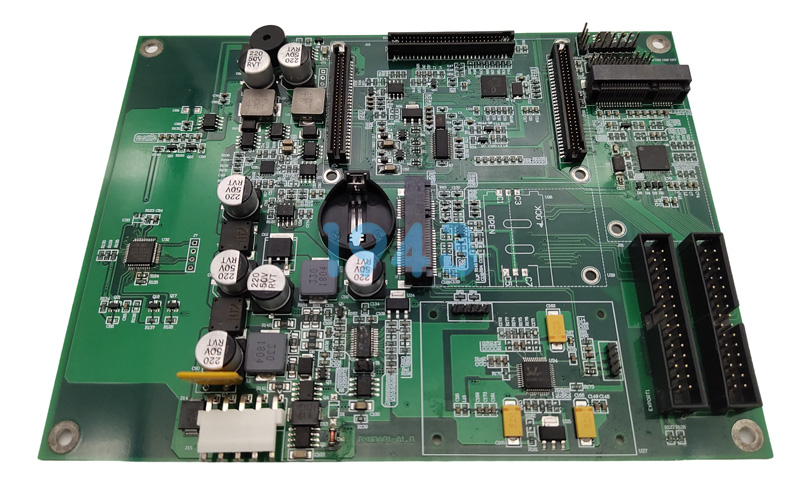
Design Validation: Identifying Risks Early
The first step in a successful NPI program is design validation.
During this stage, engineering teams evaluate manufacturing data, including:
- PCB layout files
- Bill of Materials (BOM)
- Assembly drawings
- Gerber files
- Pick-and-place data
- Test requirements
The goal is to identify potential issues that may affect manufacturability, assembly quality, or testing efficiency.
Common review areas include:
- Component package compatibility
- PCB layout manufacturability
- Assembly process feasibility
- Test point accessibility
- Material availability risks
Early design validation helps reduce engineering changes during later production stages.
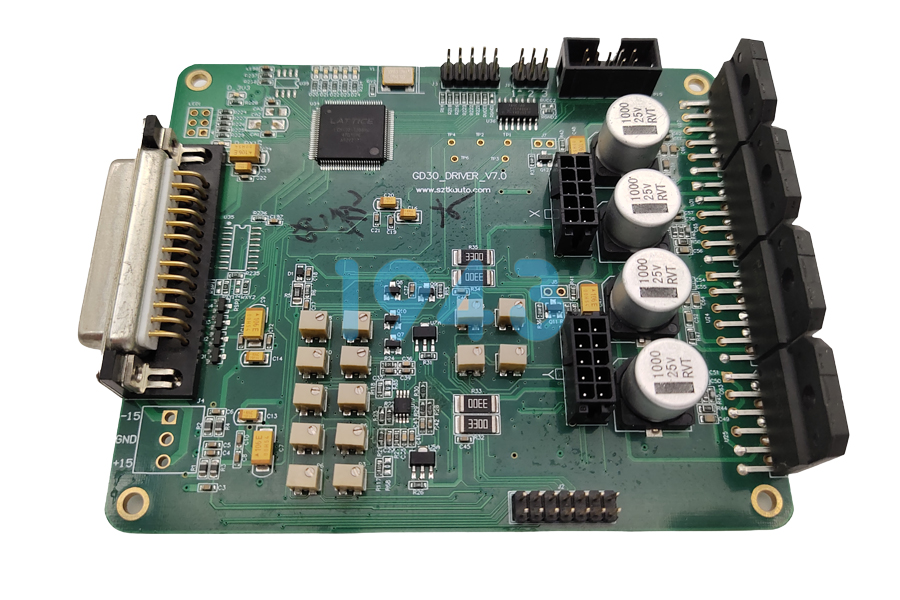
Process Validation: Ensuring Manufacturing Stability
Even a well-designed PCB assembly can face challenges if manufacturing processes are not properly validated.
Process validation evaluates whether production procedures can consistently meet product requirements.
Typical verification activities include:
- SMT process assessment
- Solderability verification
- Reflow profile optimization
- Assembly workflow review
- Inspection strategy confirmation
- Test process planning
Process validation helps establish stable manufacturing parameters before production scaling begins.
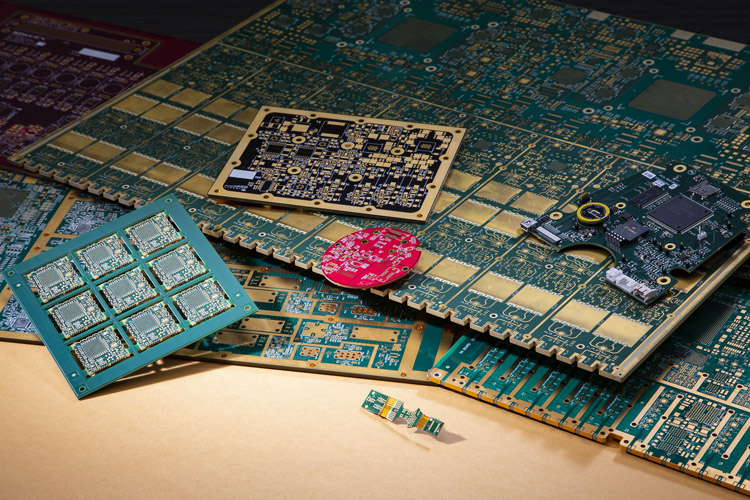
Compatibility Validation: Confirming Product Integration Requirements
Modern electronic products often involve multiple hardware modules, interfaces, and system-level integration requirements.
Compatibility validation focuses on verifying that the PCB assembly functions correctly within the intended application environment.
Areas commonly reviewed include:
- Interface compatibility
- Connector matching
- Power distribution verification
- Signal integrity considerations
- Mechanical fit requirements
- Functional integration testing
Identifying compatibility issues during NPI reduces the likelihood of redesigns and project delays.
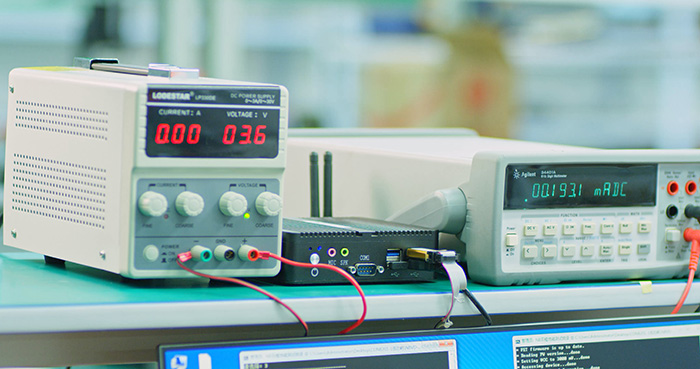
Production Validation: Preparing for Volume Manufacturing
Before moving into larger production quantities, manufacturers should conduct production validation.
This stage evaluates whether production resources, equipment, documentation, and quality controls can support repeatable manufacturing.
Production validation may include:
- Pilot production runs
- First article verification
- Manufacturing instruction review
- Production line readiness assessment
- Quality control verification
- Yield analysis
The objective is to confirm that the product can be manufactured consistently while maintaining quality requirements.
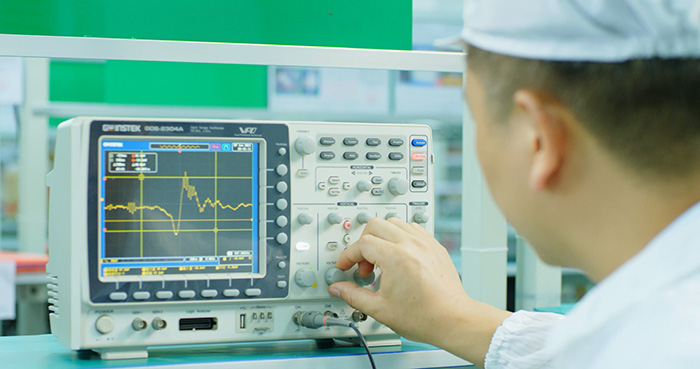
Manufacturing Data Feedback: Driving Continuous Improvement
One of the most valuable aspects of an NPI program is the collection and analysis of manufacturing data.
Data feedback enables engineering and production teams to make informed decisions based on actual manufacturing performance.
Important feedback metrics include:
- Assembly yield
- Defect trends
- Process capability data
- Inspection results
- Test performance data
- Production efficiency indicators
Continuous feedback helps optimize future production runs and supports long-term product reliability.

Why NPI Project Management Matters in PCBA Manufacturing
Many manufacturing issues originate from gaps in communication between design, engineering, sourcing, and production teams.
A structured NPI project management system helps coordinate all stakeholders throughout the product introduction process.
Key benefits include:
- Faster product launch timelines
- Improved manufacturing readiness
- Reduced engineering change orders
- Better cross-functional collaboration
- Enhanced product quality
- Lower overall project risk
For complex PCB assembly projects, effective project management is often the difference between a smooth launch and repeated production delays.
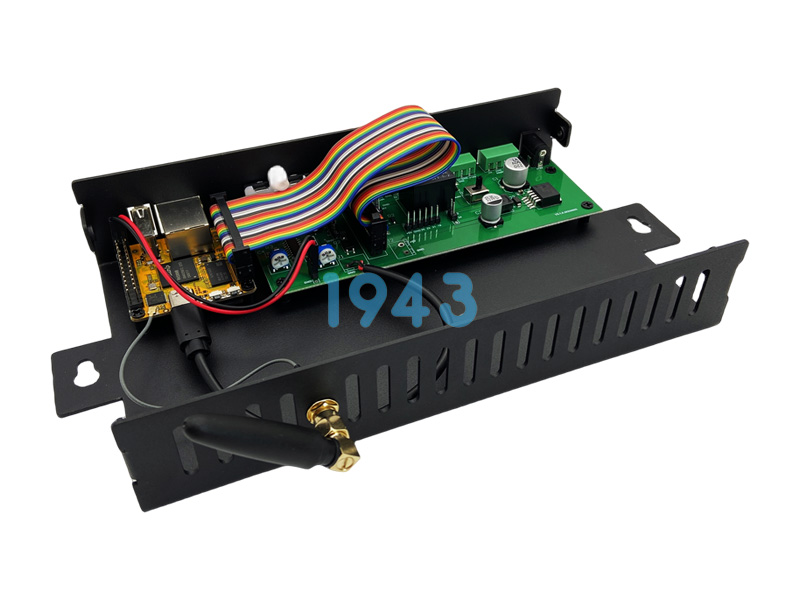
1943 Technology's NPI Project Management Advantage
At 1943 Technology, NPI project management serves as the foundation of our PCBA manufacturing support process.
Our NPI framework covers:
Design Validation Support
Comprehensive review of manufacturing documentation to identify potential production risks before assembly begins.
Process Validation Management
Verification of key manufacturing processes to establish stable production conditions and improve consistency.
Compatibility Validation Services
Assessment of integration requirements to help ensure reliable product functionality and assembly compatibility.
Production Validation Execution
Pilot production coordination and readiness evaluation before volume manufacturing.
Manufacturing Data Feedback
Structured reporting and production insights that support engineering improvements and continuous optimization.
Through dedicated NPI project management, 1943 Technology helps customers improve communication efficiency, reduce development risks, and achieve a smoother transition from design to production.
Choosing a PCBA Partner with Strong NPI Capabilities
When evaluating a PCBA manufacturing supplier, it is important to assess more than assembly capacity alone.
Consider whether the supplier provides:
- Dedicated NPI project management
- Design validation support
- Manufacturing process validation
- Compatibility verification
- Production readiness assessment
- Manufacturing data analysis
- Engineering communication support
A comprehensive NPI approach can significantly improve project predictability and manufacturing success.
Conclusion
Successful product launches depend on more than PCB assembly capabilities. A structured NPI process that includes design validation, process validation, compatibility validation, production validation, and manufacturing data feedback helps ensure products are ready for stable and efficient production.
For companies seeking to reduce development risks and improve manufacturing readiness, NPI project management plays a critical role in transforming product concepts into production-ready assemblies.
By integrating these verification stages into a unified workflow, manufacturers and product developers can achieve higher quality outcomes and more efficient product introductions.
Frequently Asked Questions (FAQ)
1. What is NPI project management in PCBA manufacturing?
NPI project management is a structured process that coordinates design validation, process verification, compatibility assessment, production readiness, and manufacturing feedback to ensure a new PCB assembly can be successfully manufactured.
2. Why is design validation important before PCB assembly production?
Design validation helps identify manufacturability issues, component risks, testing challenges, and documentation errors before production begins, reducing delays and costly engineering changes.
3. What is the difference between process validation and production validation?
Process validation focuses on verifying manufacturing methods and process stability, while production validation confirms that the complete production system is ready for repeatable manufacturing.
4. How does manufacturing data feedback improve future production?
Manufacturing data feedback provides insights into yield performance, defect trends, process capability, and production efficiency, helping teams optimize designs and manufacturing processes for future builds.
 2026-05-30