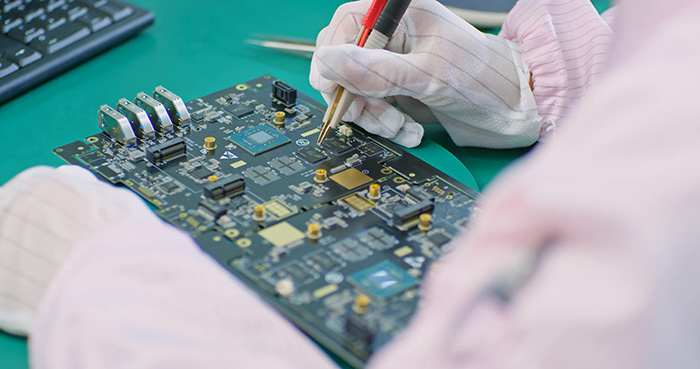


Why NPI Matters in SMT Assembly and PCBA Manufacturing
Launching a new electronic product involves more than completing a schematic and PCB layout. Before volume production begins, manufacturers must verify whether the design, manufacturing process, assembly method, testing strategy, and supply chain can support stable production.
This is where New Product Introduction (NPI) becomes essential.
In the SMT assembly and PCBA manufacturing industry, NPI is a structured process that transforms a product design into a manufacturable and repeatable production solution. A well-executed NPI process helps identify potential issues early, reducing delays, quality risks, and unexpected costs during mass production.
For companies developing industrial equipment, medical devices, communication systems, power electronics, instrumentation, and other high-reliability products, NPI serves as a critical bridge between engineering development and manufacturing execution.
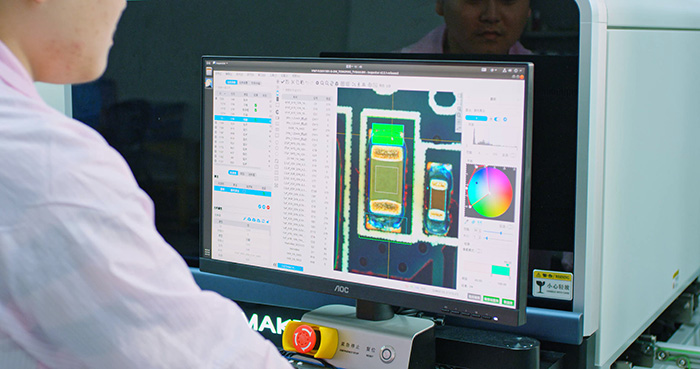
What Is a PCBA NPI Service?
A PCBA NPI service is a comprehensive validation process conducted before full-scale production. It focuses on evaluating whether a PCB design can be assembled, tested, inspected, and manufactured efficiently.
The NPI process typically includes:
- Design verification
- Manufacturing process validation
- Component and BOM review
- SMT process assessment
- Assembly feasibility analysis
- Functional testing preparation
- Production readiness evaluation
- Quality control planning
- Data collection and feedback
The objective is not simply to build prototype boards, but to ensure production can proceed with predictable quality and yield.
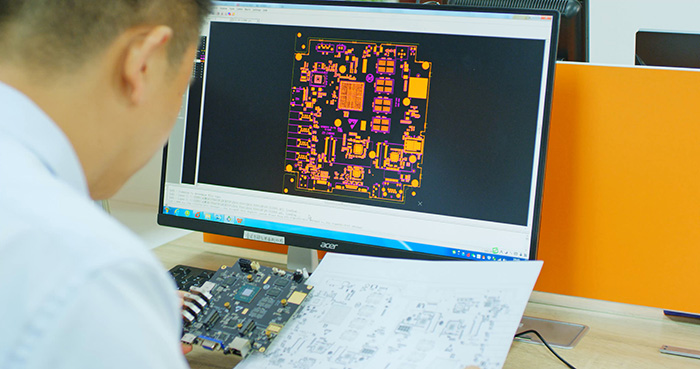
Key Challenges Found During New Product Introduction
Many issues discovered during pilot production originate from early design or process decisions.
Common examples include:
PCB Design for Manufacturing Concerns
- Insufficient component spacing
- Inadequate solder pad design
- Poor placement of large or sensitive components
- Limited inspection accessibility
- Thermal management challenges
BOM and Component Risks
- Long lead-time components
- Alternative component compatibility concerns
- Package mismatches
- Assembly process limitations
SMT Process Challenges
- Tombstoning risks
- Solder bridging
- Insufficient solder joints
- Component placement accuracy issues
- Reflow profile optimization requirements
Testing and Verification Gaps
- Lack of test points
- Difficult fixture design
- Incomplete functional verification methods
- Limited traceability planning
Identifying these issues during NPI is significantly less costly than discovering them after production release.
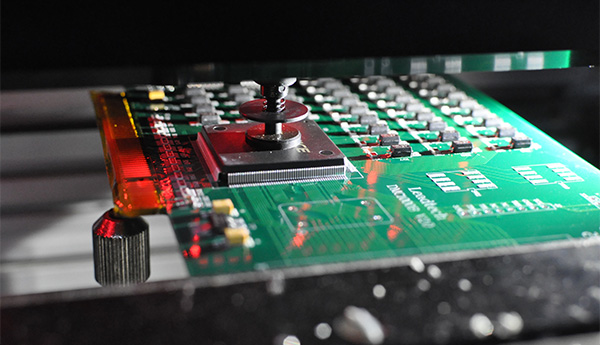
Core Elements of an Effective PCBA NPI Process
1. Design Verification
The first step is validating whether the PCB design can support efficient manufacturing.
Verification activities may include:
- Gerber file review
- Stack-up assessment
- DFM analysis
- DFA analysis
- Design rule evaluation
- Assembly feasibility review
Early verification helps reduce engineering change cycles later in the project.
2. Process Validation
Process validation examines whether manufacturing methods can consistently produce the required quality level.
Areas reviewed include:
- SMT process capability
- Solder paste printing performance
- Placement accuracy
- Reflow process stability
- Inspection strategy
- Assembly workflow
The goal is to establish a repeatable manufacturing process before production scaling.
3. Production Validation
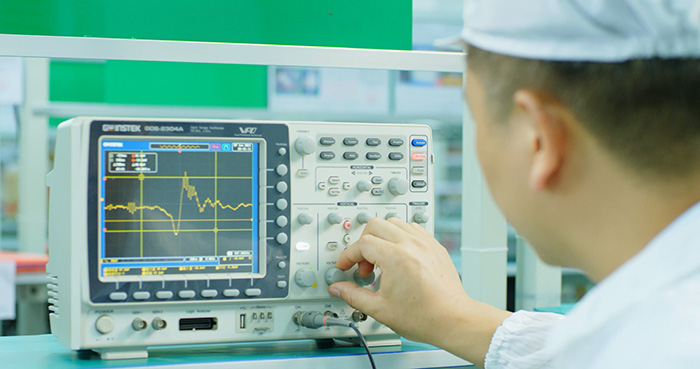
Pilot builds provide practical production data that cannot be obtained through design reviews alone.
Production validation evaluates:
- Manufacturing cycle time
- Yield performance
- Defect trends
- Assembly efficiency
- Process bottlenecks
- Operator feedback
The collected data helps improve future production performance.
4. Data Feedback and Continuous Improvement
One of the most valuable outputs of NPI is actionable manufacturing feedback.
Collected data can support:
- Design optimization
- Process refinement
- Yield improvement
- Cost reduction
- Risk mitigation
- Production planning
Data-driven decisions create a more stable transition into volume manufacturing.
Benefits of NPI Services for SMT and PCBA Projects
A structured NPI program delivers measurable advantages:
Reduced Manufacturing Risks
Potential defects and process limitations can be identified before production volumes increase.
Faster Product Introduction
Engineering and manufacturing teams gain earlier visibility into project risks and required improvements.
Improved Production Yield
Process optimization during pilot stages contributes to higher first-pass yield rates.
Better Quality Consistency
Validation activities help establish stable manufacturing controls and inspection procedures.
Lower Overall Project Cost
Preventing manufacturing issues early reduces rework, engineering changes, and production interruptions.
Why Choose 1943 Technology for PCBA NPI Services
1943 Technology focuses on PCBA New Product Introduction (NPI) services designed to support customers from product development through production readiness.
Our NPI capabilities include:
- Design verification support
- Process verification and validation
- Assembly feasibility assessment
- Production verification
- Manufacturing data feedback
- Quality risk analysis
- Production readiness evaluation
- Cross-functional engineering collaboration
Rather than concentrating only on board assembly, our approach emphasizes identifying potential risks early and providing practical manufacturing feedback before volume production begins.
This structured methodology helps customers improve manufacturing stability, reduce introduction risks, and accelerate the transition from development to production.
Conclusion
Successful SMT assembly and PCBA manufacturing projects depend on more than component placement and soldering processes. The transition from design completion to stable production requires careful planning, validation, and continuous feedback.
A comprehensive PCBA NPI process enables manufacturers to verify designs, validate production methods, identify risks, and improve product readiness before large-scale manufacturing begins.
For organizations seeking reliable product introduction and manufacturing preparation, NPI serves as a critical foundation for long-term production success.
FAQ
1. What does NPI mean in PCBA manufacturing?
NPI (New Product Introduction) is a structured process used to transition a new PCB design into manufacturing. It includes design verification, process validation, production evaluation, and manufacturing feedback before mass production.
2. Why is NPI important for SMT assembly projects?
NPI helps identify design issues, assembly risks, testing challenges, and process limitations before production volumes increase, reducing delays and quality problems.
3. What is included in a PCBA NPI service?
A PCBA NPI service may include design review, DFM analysis, DFA evaluation, process validation, pilot production assessment, testing preparation, production verification, and manufacturing data feedback.
4. How does NPI improve production yield?
By validating assembly processes and identifying potential defects during early production stages, NPI helps optimize manufacturing parameters and improve overall production consistency and yield.
 2026-06-02