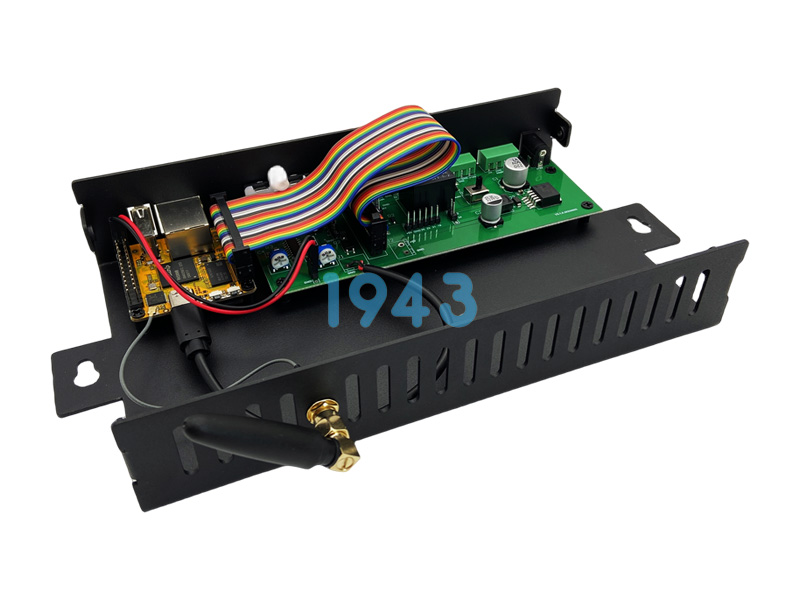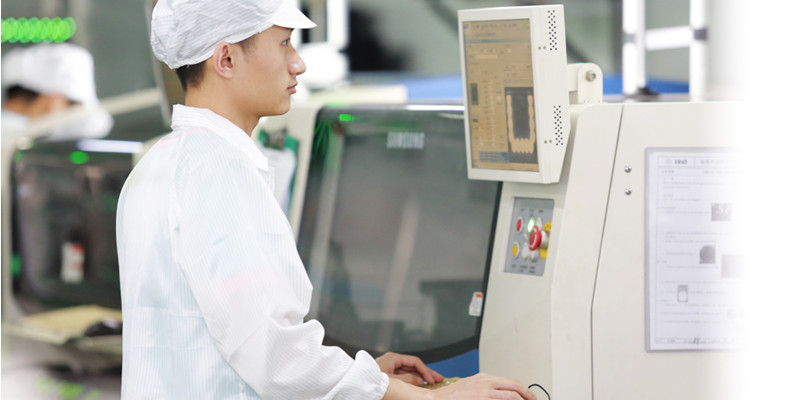


In the electronic hardware industry, bringing a new product from design to reliable production requires precise coordination across multiple stages. PCBA manufacturing — the process of assembling printed circuit boards with electronic components — forms the core of this journey. For companies developing hardware, choosing the right partner for PCBA processing and New Product Introduction (NPI) can significantly reduce development risks, shorten time-to-market, and improve overall product quality.
What Is PCBA Manufacturing?
PCBA stands for Printed Circuit Board Assembly. It involves soldering electronic components onto a bare PCB to create a functional circuit board. The process typically includes component sourcing, SMT (Surface Mount Technology) and THT (Through-Hole Technology) assembly, soldering, inspection, and functional testing.
For hardware development teams, PCBA manufacturing is more than just assembly. It requires attention to design for manufacturability (DFM), material selection, process control, and scalability from small-batch prototypes to volume production.
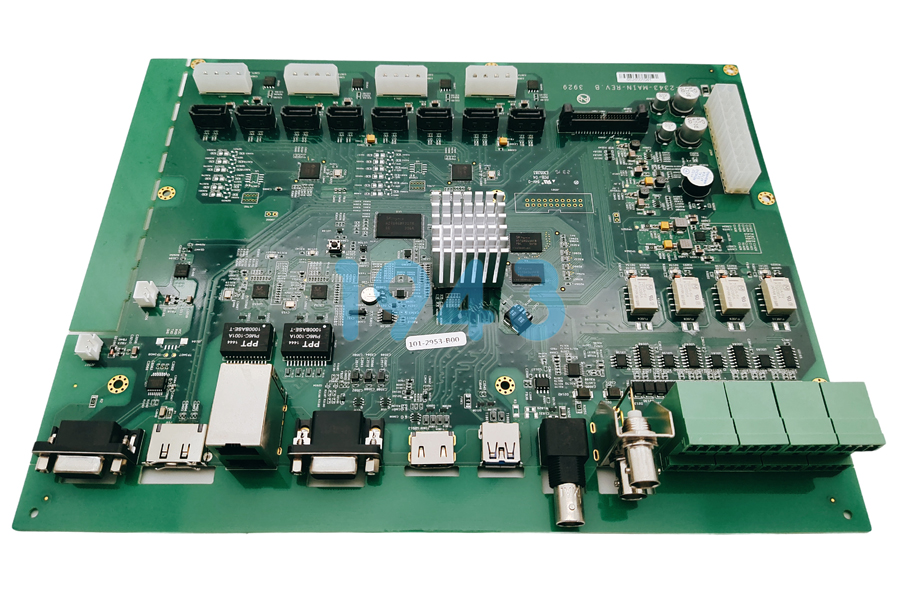
The Role of NPI in PCBA Projects
New Product Introduction (NPI) services bridge the gap between engineering prototypes and stable mass production. A strong NPI process helps identify potential issues early — such as component availability, assembly tolerances, test coverage, and yield rates — before committing to larger runs.
Effective PCBA NPI support typically covers:
- Design review and DFM analysis
- Component engineering and sourcing strategy
- Prototype assembly and debugging
- Process validation and pilot production
- Quality planning and test development
- Transition to volume manufacturing
By integrating NPI early, hardware teams can avoid costly redesigns and production delays that commonly occur when moving from prototype to manufacturing.
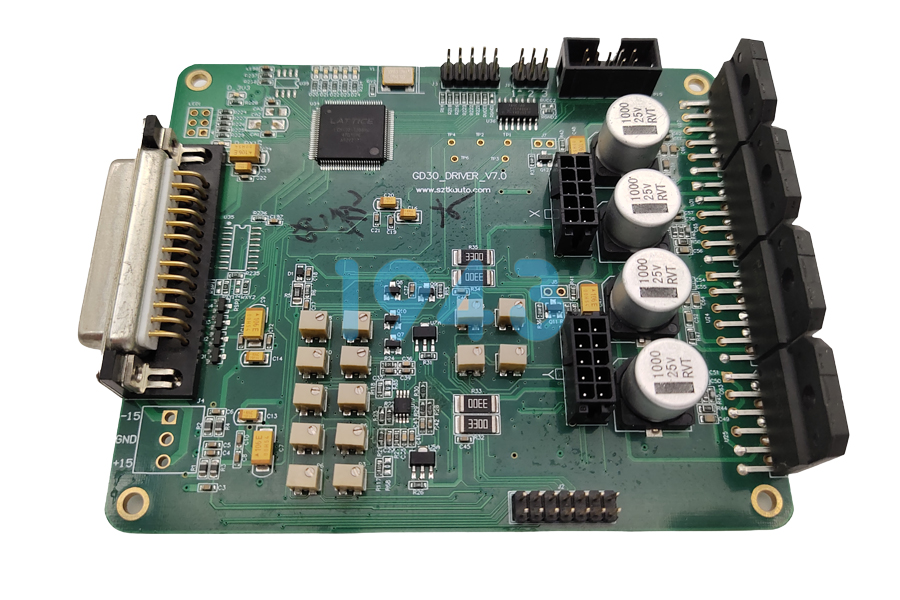
Key Stages in Professional PCBA Processing
A well-managed PCBA workflow usually follows these steps:
- Engineering Data Review — Checking Gerber files, BOM, and assembly drawings for potential manufacturing issues.
- Material Preparation — Sourcing components and PCBs with verified supply chain options.
- Assembly Setup — Programming equipment, creating stencils, and setting process parameters.
- Prototype and Pilot Builds — Building initial units for validation and refinement.
- Testing and Inspection — Using AOI, X-ray, ICT, and functional testing to ensure reliability.
- Documentation and Handover — Preparing work instructions, quality reports, and production packages for scale-up.
This structured approach supports hardware developers working on industrial equipment, medical devices, IoT solutions, communication systems, and other electronic hardware categories.
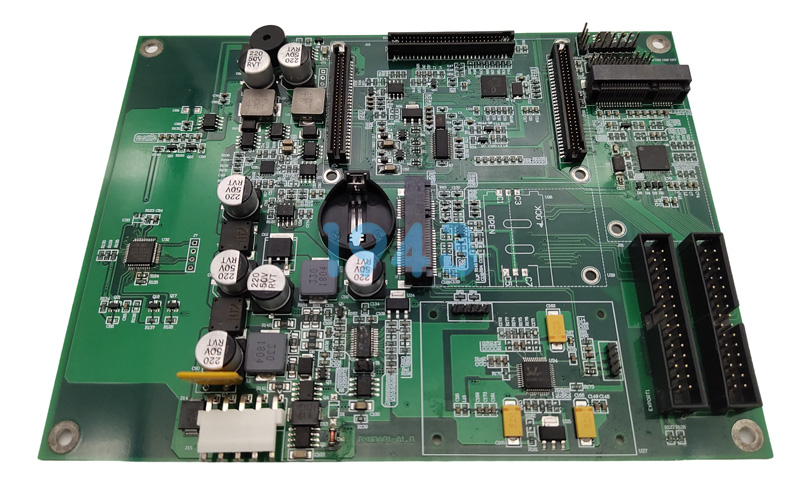
Why NPI-Focused PCBA Services Matter
Hardware projects often face challenges like tight schedules, component shortages, and strict performance requirements. Dedicated NPI services help address these by providing technical support throughout the introduction phase. This includes iterative feedback between design and manufacturing teams, which leads to more robust products and smoother production ramps.
At 1943 Technology, we specialize in one-stop PCBA manufacturing with a strong focus on NPI services. Our process is built to support engineering teams from initial prototypes through to stable production, emphasizing technical accuracy, clear communication, and practical problem-solving.
Ready to discuss your PCBA project? Contact our team for an initial manufacturing review.
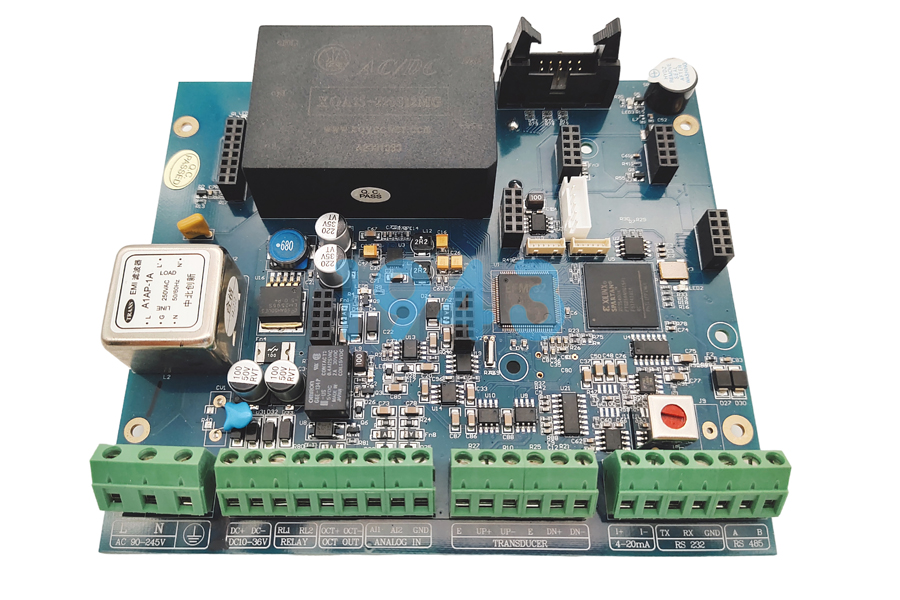
Frequently Asked Questions (FAQ)
1. What does PCBA NPI service include?
PCBA NPI services cover design for manufacturability analysis, prototype assembly, process development, pilot runs, test solution development, and preparation for volume production. The goal is to validate the product and manufacturing process before scaling up.
2. How long does a typical PCBA prototype to production timeline take?
Timelines vary based on complexity, component availability, and testing requirements. Simple projects can move from prototype to pilot production in 2–4 weeks, while more complex hardware often requires 6–10 weeks for full NPI validation.
3. What information is needed to start a PCBA manufacturing project?
We typically require Gerber files, BOM (Bill of Materials) with part numbers and quantities, assembly drawings, test requirements, and target quantity. Early sharing of this information allows for faster DFM feedback.
4. Do you support small-batch production and volume scaling?
Yes. We handle prototype quantities, small-batch pilot runs, and larger volume production using the same established processes. This consistency helps maintain quality as the project scales.
This article provides practical information for hardware engineers, product developers, and procurement teams searching for reliable PCBA manufacturing and NPI support. For specific project needs, feel free to reach out — we focus on clear technical collaboration to help bring your electronic hardware to market.
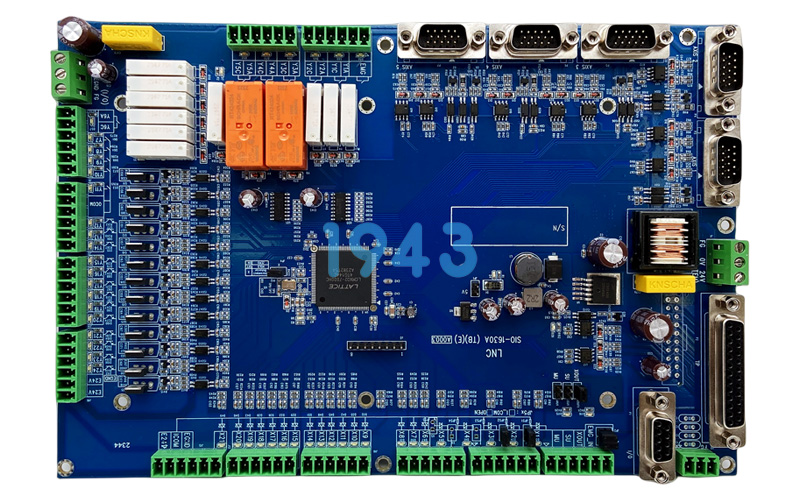
 2026-06-04