

SMT Assembly and PCBA Manufacturing NPI Services: A Structured Approach to Electronic Hardware Product Introduction
Bringing a new electronic hardware product from design to production involves more than simply building prototypes. Many projects encounter delays, quality issues, and unexpected costs because manufacturing requirements are not fully considered during the early stages of development.
New Product Introduction (NPI) provides a structured process that connects product design, manufacturing engineering, supply chain management, and production validation. For companies developing electronic hardware, an effective NPI strategy helps reduce risks before volume production begins.
In the SMT assembly and PCBA manufacturing industry, NPI plays a critical role in ensuring that product designs can be manufactured efficiently, tested consistently, and scaled successfully.
What Is PCBA New Product Introduction (NPI)?
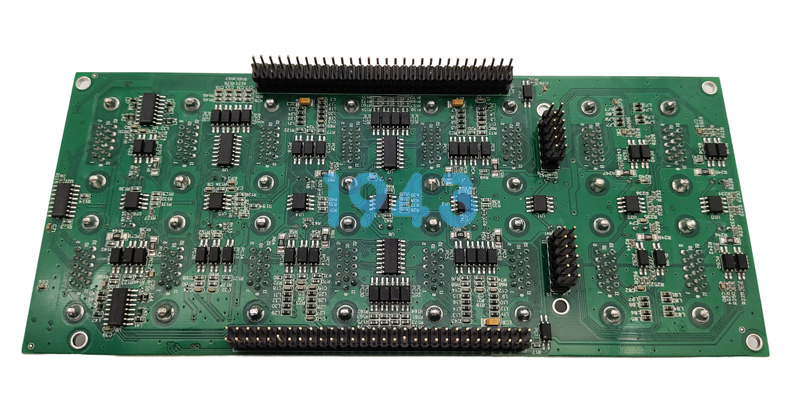
PCBA New Product Introduction (NPI) is a systematic process used to evaluate, verify, and optimize a new electronic hardware product before mass production.
The objective of NPI is to identify potential issues early and improve production readiness through engineering analysis, process verification, and manufacturing validation.
A complete NPI process typically includes:
- Design review
- Manufacturing feasibility assessment
- Bill of Materials (BOM) verification
- SMT process evaluation
- Prototype assembly
- Functional testing
- Process validation
- Production validation
- Quality data feedback
By resolving engineering and manufacturing challenges during NPI, companies can improve product reliability while reducing development cycles.
Key Challenges During Electronic Hardware Product Introduction
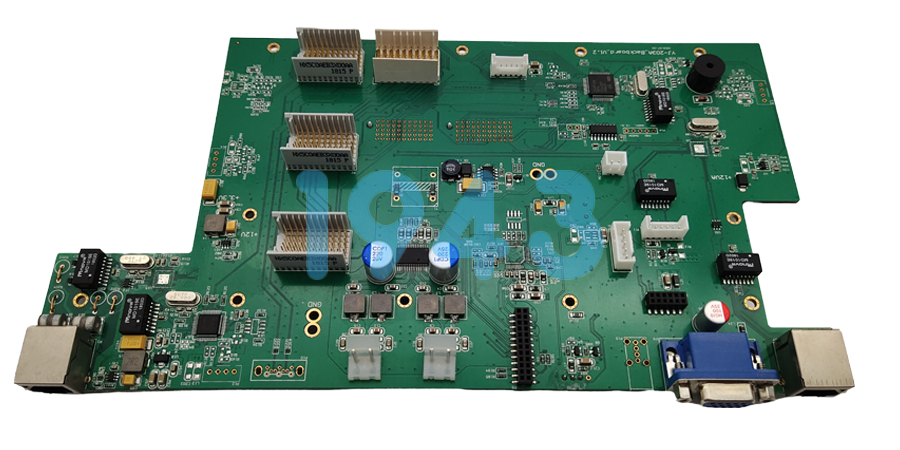
Many hardware development projects face common manufacturing challenges:
Design and Manufacturing Mismatch
PCB layouts may contain component placements that are difficult to assemble, inspect, or test. Early manufacturability reviews help identify these risks before production begins.
Component Supply Risks
Unavailable or long-lead-time components can delay project schedules. BOM verification helps evaluate sourcing options and reduce supply chain uncertainty.
Process Instability
Different package types, soldering requirements, and assembly complexities may introduce process variations. Validation activities help establish stable manufacturing parameters.
Incomplete Test Coverage
Products entering production without sufficient testing strategies often experience higher failure rates and increased troubleshooting costs.
Production Transfer Issues
A prototype that functions correctly does not automatically guarantee production success. Production validation verifies whether the manufacturing process can consistently meet quality requirements.
Core Stages of SMT and PCBA NPI Services
1. Design Verification
Design verification focuses on confirming that the PCB design meets functional requirements and manufacturing expectations.
Typical activities include:
- PCB file review
- Gerber analysis
- Assembly feasibility review
- Design for Manufacturability (DFM) assessment
- Design for Assembly (DFA) evaluation
Early verification helps reduce engineering changes later in the project.
2. Process Verification
Process verification evaluates whether manufacturing processes can reliably support the product design.
Areas commonly reviewed include:
- SMT assembly process capability
- Solderability evaluation
- Stencil design assessment
- Reflow profile validation
- Inspection strategy development
This stage helps establish repeatable production conditions.
3. Compatibility Verification
Compatibility verification confirms that materials, components, manufacturing equipment, and testing methods work together effectively.
Key focus areas include:
- Component package compatibility
- PCB material suitability
- Assembly process matching
- Fixture and tooling validation
- Test method verification
Identifying compatibility issues early helps prevent production disruptions.
4. Production Verification
Production verification evaluates manufacturing readiness using pilot builds and controlled production runs.
Objectives include:
- Yield analysis
- Process capability confirmation
- Defect monitoring
- Assembly consistency evaluation
- Quality control verification
This phase provides confidence before transitioning to larger production volumes.
5. Manufacturing Data Feedback
Continuous feedback is a critical component of a successful NPI process.
Collected data may include:
- SMT defect trends
- Process performance indicators
- Inspection results
- Test yield statistics
- Root cause analysis findings
Engineering teams can use this information to improve both current and future product designs.
Benefits of Integrated SMT Assembly and PCBA NPI Services
A structured NPI process can provide measurable advantages throughout the product lifecycle.
Reduced Development Risk
Engineering and manufacturing issues are identified before they become costly production problems.
Faster Product Launches
Potential delays are minimized through early validation and cross-functional collaboration.
Improved Product Quality
Manufacturing processes are optimized before volume production begins.
Better Production Consistency
Validated assembly procedures help maintain stable yields and repeatable results.
Enhanced Supply Chain Visibility
Material verification and sourcing reviews reduce procurement-related disruptions.
1943 Technology PCBA NPI Service Capabilities
1943 Technology focuses on providing one-stop PCBA New Product Introduction (NPI) services for electronic hardware projects.
Our NPI framework includes:
- Design Verification
- Process Verification
- Compatibility Verification
- Production Verification
- Manufacturing Data Feedback
By integrating engineering review, SMT assembly evaluation, PCBA manufacturing validation, and continuous feedback mechanisms, projects can move from development to production with improved visibility and control.
This approach supports hardware teams seeking reliable product introduction processes, reduced manufacturing uncertainty, and improved production readiness.
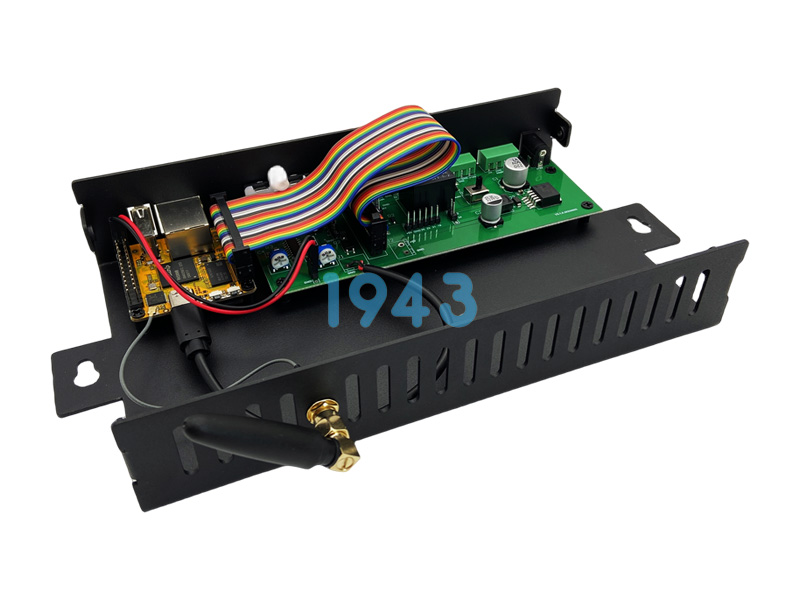
Choosing an SMT Assembly and PCBA Manufacturing Partner for NPI
When evaluating NPI service providers, consider the following factors:
- Experience with electronic hardware product introduction
- Comprehensive verification capabilities
- Engineering support throughout development stages
- Manufacturing process validation expertise
- Data-driven quality improvement methods
- Ability to support both prototype and production requirements
A structured NPI process can significantly influence project timelines, product quality, and long-term manufacturing performance.
Conclusion
For electronic hardware products, successful commercialization depends on more than innovative design. Manufacturing readiness, process stability, and production validation are equally important.
A comprehensive PCBA NPI service combines design verification, process validation, compatibility assessment, production verification, and continuous data feedback to reduce risks before mass production.
As product complexity continues to increase, a well-managed SMT assembly and PCBA manufacturing NPI process becomes an essential part of achieving consistent quality, reliable production, and efficient product introduction.
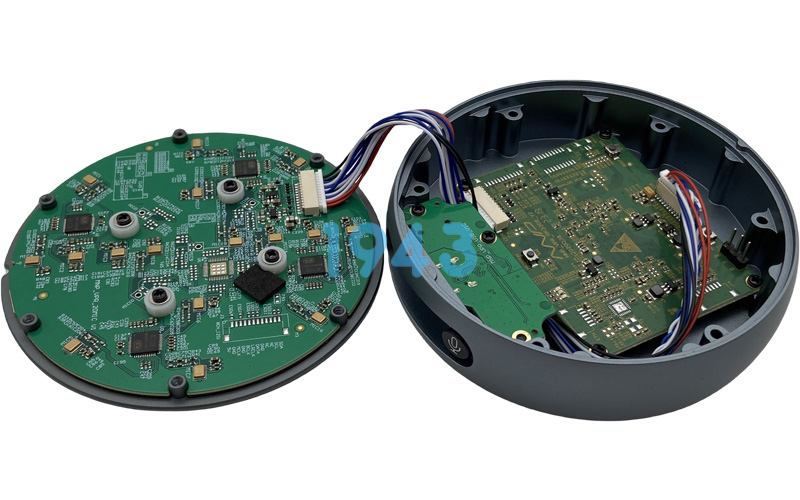
Frequently Asked Questions (FAQ)
1. What is the purpose of PCBA NPI services?
PCBA NPI services help evaluate and validate a new electronic hardware product before production. The goal is to identify manufacturing risks early and improve production readiness.
2. How does NPI improve SMT assembly quality?
NPI includes process verification, manufacturability analysis, and pilot production validation. These activities help optimize assembly parameters and reduce defects.
3. What is included in a typical PCBA NPI process?
A typical NPI process includes design verification, process verification, compatibility verification, production verification, and manufacturing data feedback.
4. Why is production verification important before mass production?
Production verification confirms that manufacturing processes can consistently meet quality and performance requirements, helping reduce risks during volume production.
 2026-06-04